Creative Floral Fun

Hello there! You are very welcome to my blog. Today I was working with my 16 year old daughter, making face masks together. It was her first real sewing project, and she was deservedly proud of herself. I was glad we did it together, and even more glad that she had initiated it. But confession time: sewing is something I am not comfortable with. I just never fell in love with it. I’m hoping that she will learn how to sew and learn to really enjoy it, too. Now – working with flowers – THAT is something I love to do!

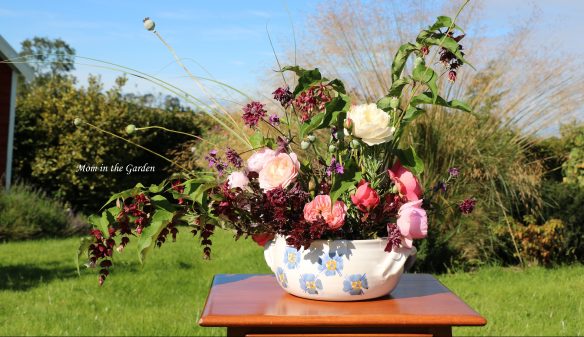
I had a bunch of chores to do around the house yesterday. As a ‘treat’ to myself for doing all of that, I decided to make another flower arrangement. 🙂 All work and no play makes for a very dull day. Just like I did for my last arrangement a few weeks ago, I walked around the garden with my secateurs and snipped whatever I fancied. The tricky part was finding something ‘lofty and light’, which honestly I couldn’t find. But let me walk you through what I did use, and why:

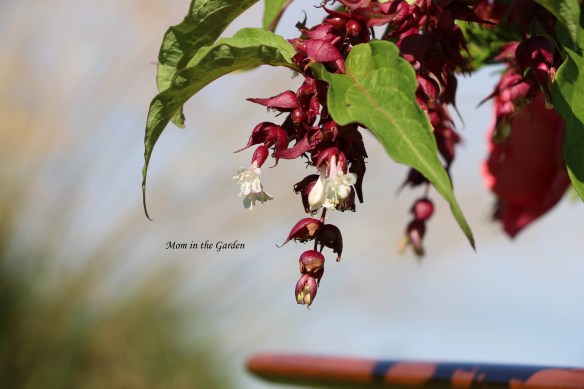
Leycesteria formosa – also known as Himalayan honeysuckle or pheasant berry. This is great for creating structure. I love how the berries hang – giving a curve to the ends of the branch. The deep burgundy color of the berries and flowers is very pretty, too.

Pittosporum Tom Thumb – this deep, dark (purple/burgundy?) colored shrub with curly edged leaves is so easy to work with. I used it as filler to help hold things in place and to hide the white tape (see below for why I used white tape).

Rosemary – I liked the different texture of this plant. These are straight spikes and given I couldn’t really maneuver them in my container (I’ll explain below) I only used a few sprigs.

Erysimum ‘Super Bowl’ Mauve – I added these light purple stems to break up the strong tones of burgundy in the arrangement. Each stem only had a couple of small flowers on the very end of them, so I added two stems for each place that I added them. They more or less stayed together.

Clematis Purpurea Plena Elegans – this flower worked so well last time, I couldn’t pass it up. I was able to bring some of the flowers quite high, which is what I was hoping for. They are also a burgundy color.

Poppy pods – you know me, I have HUNDREDS of poppies in my garden! I collected small pods (the pod is what is left after the flower finishes blooming, and which holds the seeds) with long stems. In the center of the arrangement I have a group of them which I cut to all the same height. The rest of the pods I fanned out high above everything else.

Ornamental grass. I have one stem of this grass fanned out just on one side of the arrangement – to flow with the poppy pods and the sideways leaning Leycesteria formosa.

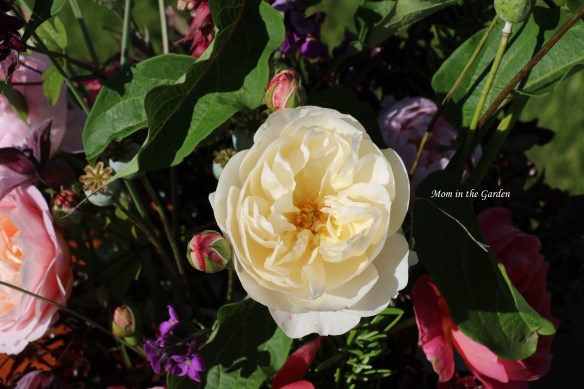
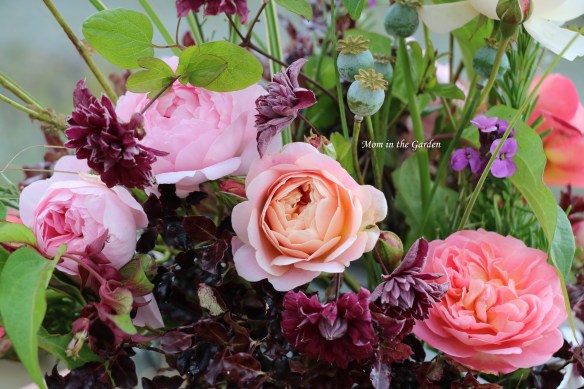
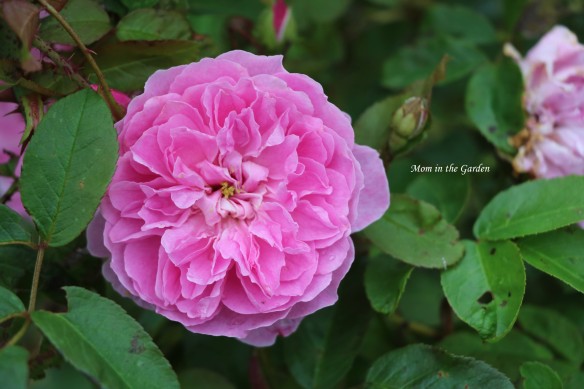
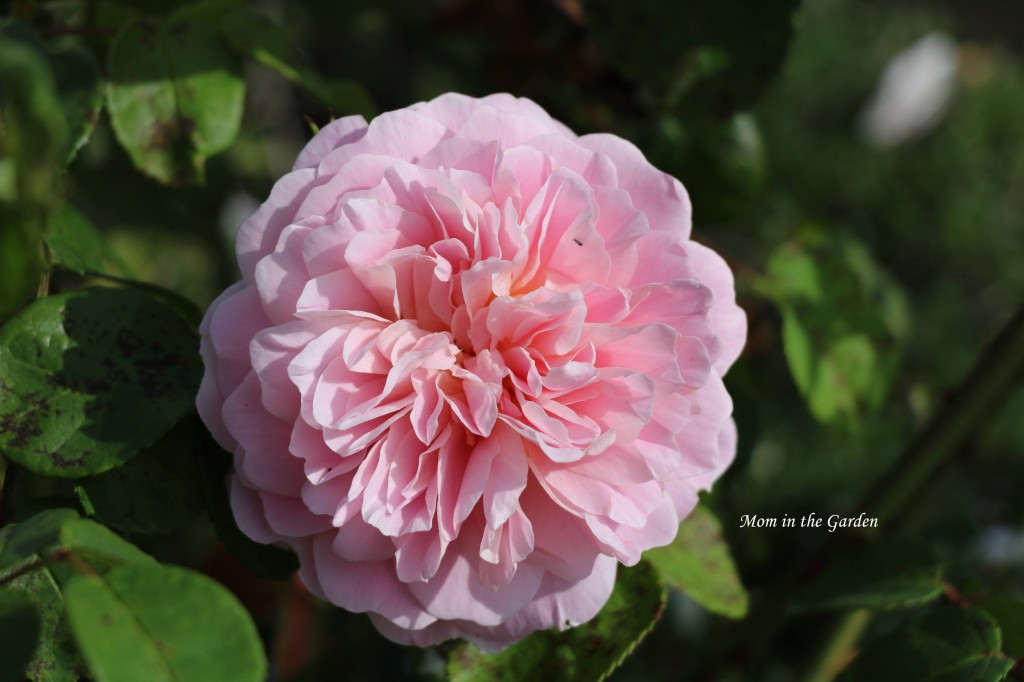
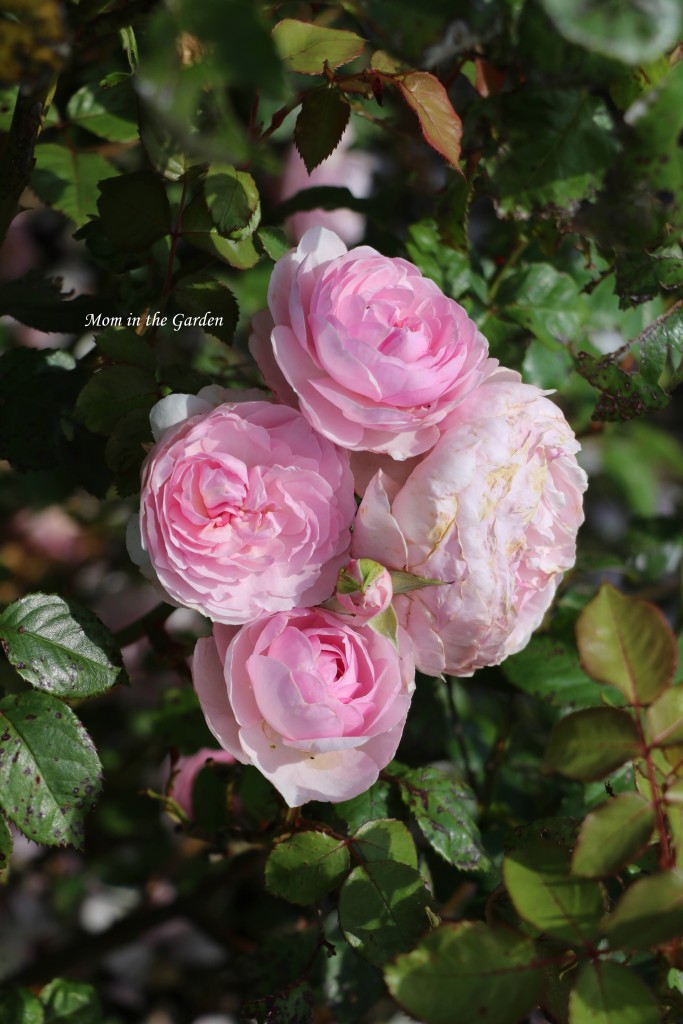
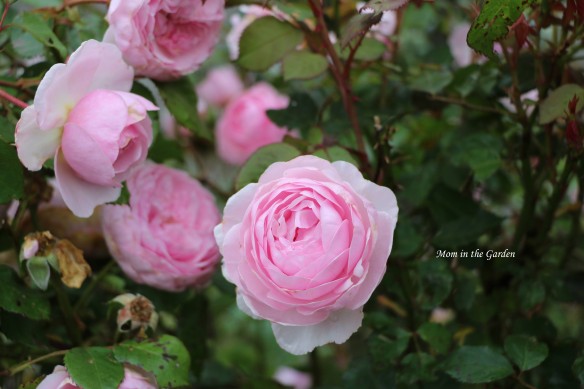
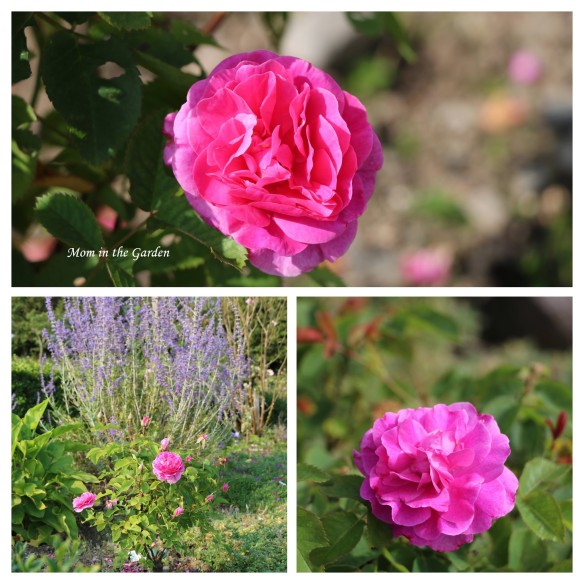
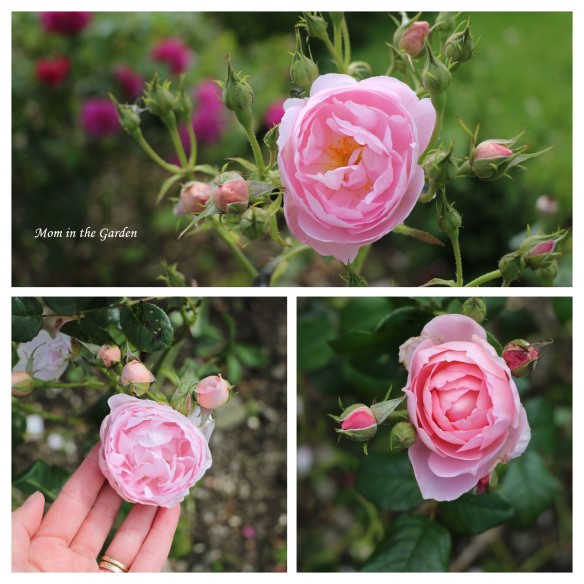
David Austin Roses – Eustacia Vye (an apricot-pink color), Lichfield Angel (cream), Boscobel (salmon), Scepter’d Isle (light pink) and possibly one more light pink variety but I can’t recall which one! There were too many beautiful roses in the garden to not put them in an arrangement.

The container I used is part of our pottery collection from when we were married 24 years ago (Suzanne May Irish pottery). I still love it! I used two frogs to hold the roses, but that wasn’t nearly enough for the rest of the plant materials. So I used white tape along the rim to create a bit of a grid to support the stems. Honestly, it worked well enough! You can see the white tape around the rim of the container in some of the pictures.

I gathered some flowers, started the arrangement, and then went out and gathered some more. I was delighted to have so many different plants to use!

For me, the moral of the story is, do what you love to do! I’m so glad to have planted materials that I can use for flower arranging – and I can’t wait to add some more!

I hope you are enjoying the last little bit of summer! Stay safe and healthy.

In Peace,
Dana
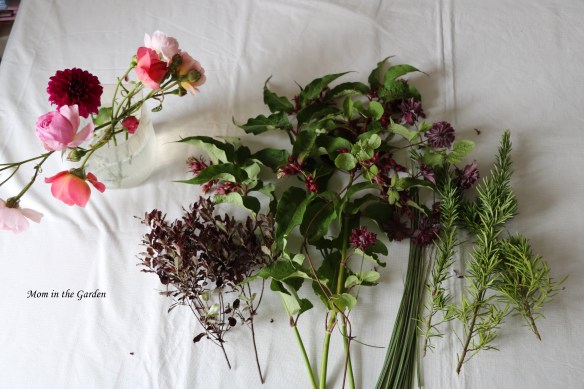
Plant materials
I started with some roses, Pittosporum Tom Thumb, Leycesteria formosa, and some short stems of ornamental grass which I later traded for one full, very long stem with several strands of grass, and some Rosemary. In this picture is also a single dahlia (a deep fuchsia color) which didn’t make the cut.
arrangement in progress
This is how we roll! The container on the table is filled with apples from a branch that broke from our tree. They are patiently waiting to be made into pie, or crumble or apple sauce! But back to the arrangement: I used 4 strips of tape to create a grid which more or less worked to support the stems.
Leycesteria formosa flower closeup
A close up view of the Leycesteria formosa flower.
Full arrangement close up sun day 2
I made the arrangement yesterday, but the weather was rather dull. So these pictures were taken today when it was lovely and sunny, because everything looks nicer with blue skies! Some of the roses are more open today, day 2.
Full arrangement day 1
See, isn’t there a very dull feeling to this picture, which was taken yesterday?
Close up Eustacia Vye day 1
The center rose, Eustacia Vye, is such a lovely mix of colors (apricot and pink). Here it is slightly open on day 1.
Center of arrangement full sun day 2
The center rose, Eustacia Vye, has really opened up on day 2!
Lichfield angel tall cream rose
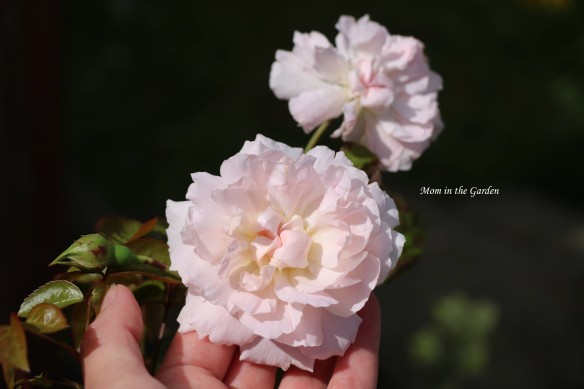
The buds of the Lichfield angel rose are a peachy pink, before blooming into a lovely cream color. In this picture there is also a small green poppy pod, some Rosemary, and some Erysimum ‘super bowl’ mauve. I thought the mauve color brought some nice change to the strong burgundy theme.
Lichfield angel above
A view of Lichfield angel from above.
back of arrangement close up full sun day 2
This is a close up of the back of the arrangement, with a focus on the Boscobel rose. I knew there was going to be a front and back and I’m going to blame my inability to anchor items properly for the poor design of the back. The two roses are just lost in space here. Nevertheless, I still love the front, and will take note of changes for the back for next time!
Back of arrangement full sun day 2
Full view of the back – there is room for improvement!
Eustacia Vye center sunlight day2
Eustacia Vye, center rose on day 2, with Clematis and Pittosporum Tom Thumb.
Eustacia Vye center day 1
Eustacia Vye, the center rose on day 1.
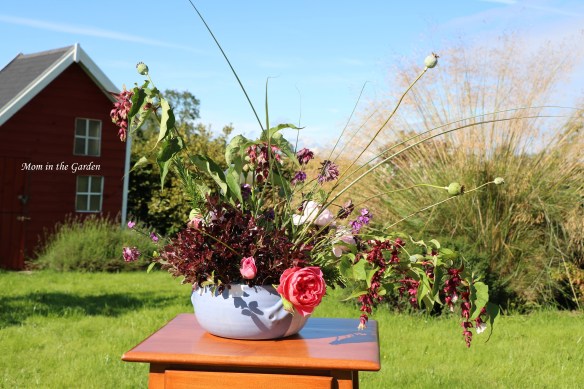
Full view arrangement in sun
It was a fun floral project, and I think that perhaps my Poppy pods, although not light and lofty, had a similar effect.

I hope you enjoyed your visit to Mom in the Garden! I am very happy to say that my daughter was quite happy with her sewing project and made several very nice masks. I’m so happy for her! Take care! 🙂

my daughter using the sewing machine
My daughter did a great job learning how to sew and how to use the sewing machine!

What’s happening in the garden in August?

Hello there! Is it just me, or is this summer going super fast? Do they say that as you get older, time goes faster? I think it is true! The garden is shifting to ‘end of summer’ mode, with a few plants finishing their season.

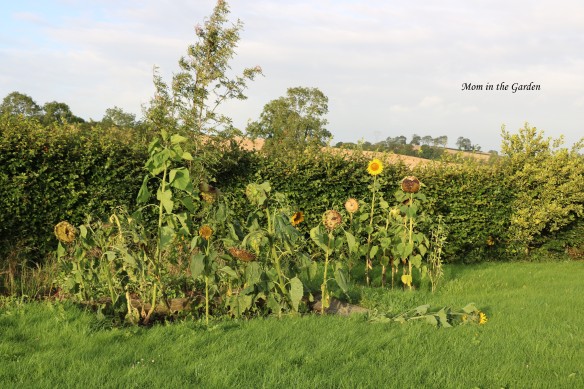
We have had some *terrible* weather recently – as in lots of rain and gale force winds. Not a great mix for plants. I have to say that the garden has held up pretty well (I’ve seen worse). Thankfully, I captured some nice pictures of my roses *before* the weather turned. Some roses still look well even after all of the bad weather. They’ve had a lovely season so far! I’m afraid that my sunflowers have definitely seen better days though. They just didn’t shine as bright this year as they usually do.

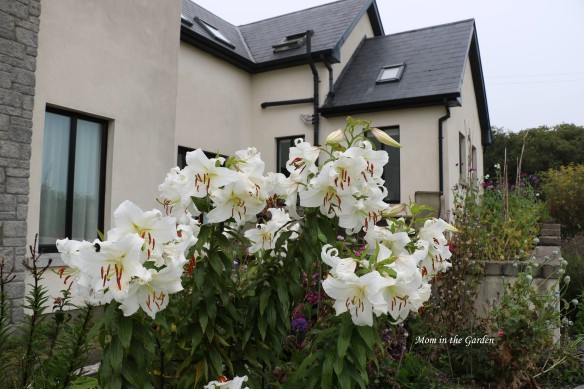
The lilies have finished off their season with a bang! They were just spectacular this year. I love flowers with fragrance, and they do not disappoint. Their many blooms are pure white atop tall strong stalks.

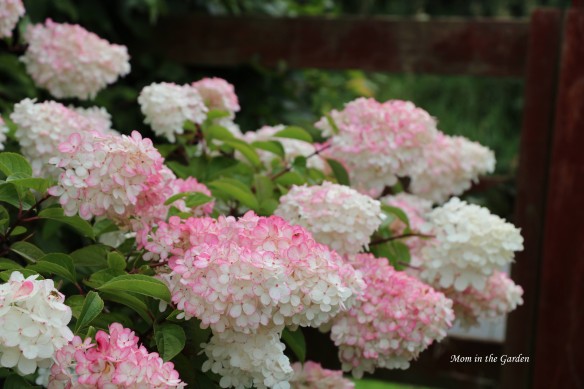
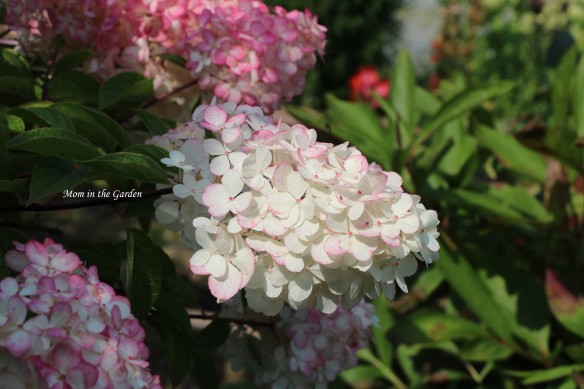
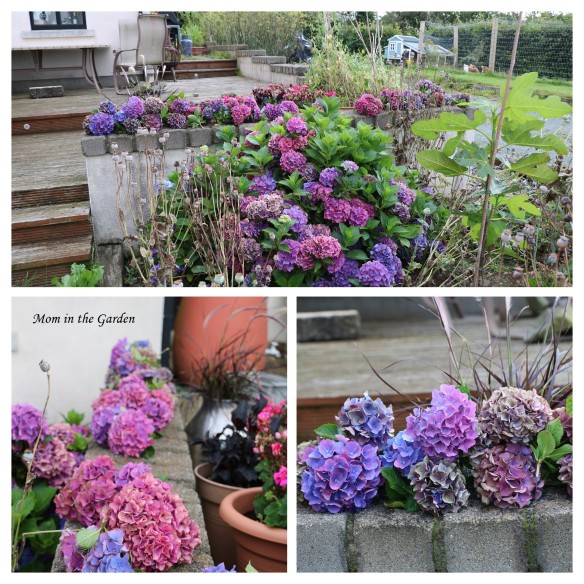
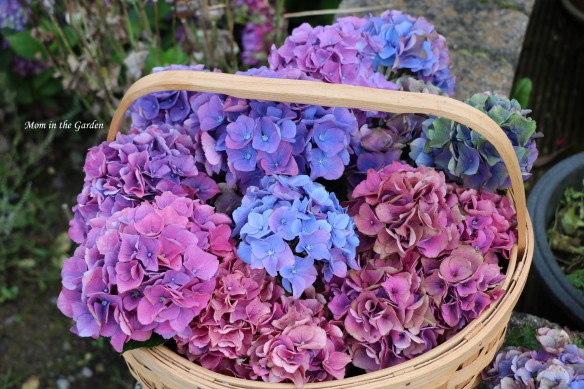
My project this weekend was to cut some of my mophead hydrangea. I have not (yet!) perfected the exact time to cut them to have the petals dry properly. By “properly” I mean that the petals stay open and keep their color. If I cut them too soon in the season, the petals shrivel up and it really is not pretty. But, if I wait too long before cutting them, they lose their color! I believe it has more to do with the maturity of the flower than the time of the season. I am hopeful that most of the flowers I cut today will be O.K.. Last week I cut some stems off of my Vanille Fraise hydrangea paniculata ‘Renhy’. I had mixed results with some stems drying well, and some shriveling up. But I tried again about 5 days later and they have dried perfectly. I had wanted to cut them before they turned completely pink, which is why I cut them a little early. I think I’ll have a good mix of white and pink. Did you see my Instagram stories where I showed the cuttings? 🙂

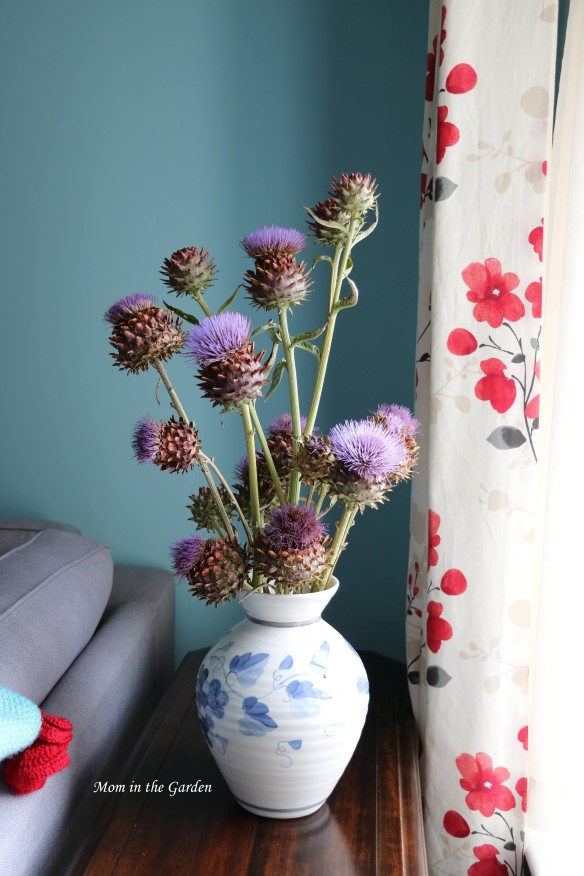
Another plant near the end of its season is the globe artichoke. My plant is well established in the garden, and takes up quite a bit of space. It has produced many, many artichokes this summer. This is another plant that I like to dry and use for decoration. Earlier this summer, I tried cutting teeny tiny baby artichokes to use in wreaths, but they just shriveled up and turned brown. I’ve discovered that if you cut them right after they’ve bloomed (after the thin purple spike-like form in the center of the artichoke appears) they keep their purple color. The artichokes themselves don’t keep their lovely green color, but have a molted coloring. I like how they look in a large vase, as they are quite unusual.

I hope you are well and enjoying good weather wherever you are in the world! Are there any flowers that you like to dry and use again?

In Peace,
Dana

two Princess Anne David Austin Roses
From David Austin, this is the Princess Anne shrub rose.

You might notice that the leaves of my roses will usually have black spot. I have some varieties that are more hardy, but at some stage it usually hits all of the roses. If I had a bit more time I’d treat them with a milk and water solution. I’ve done that before and it does work. But I now have a lot more roses and it would take a fair amount of time to treat them. This just goes with the territory when not using chemicals.

Ancient Mariner David Austin Rose close up
Ancient Mariner David Austin Rose
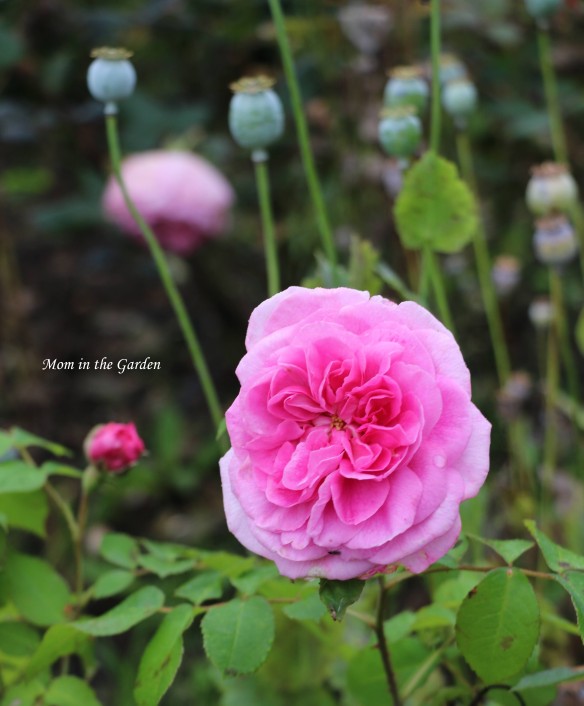
Gertrude Jekyll rose with poppy pods
Another David Austin rose, this is Gertrude Jekyll. This is actually a ‘replacement’ rose, as the first plant completely died on me. There is a three year guarantee with all of the David Austin roses and they very quickly sent me on another plant. It was a pleasure dealing with them and I’m happy to say that this plant is doing very well!
Harlow Carr group
Harlow Carr – of course a David Austin rose!
Eustacia Vye, from David Austin, a new addition to my garden.
Eustacia Vye David Austin Rose cluster
Eustacia Vye, a lovely light pink with apricot coloring.
These light pink roses are called Olivia Rose Austin.
LIght pink david austin roses group
Deadheading is a full time sport when you have lots of roses!
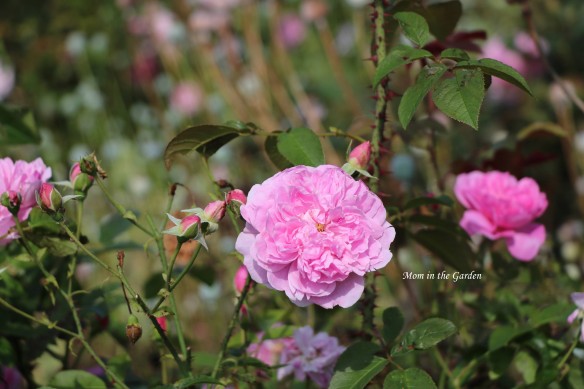
Here’s another light pink variety that I’m not sure of the name of – it is either Olivia Rose or the Ancient Mariner or Scepter’d Isle (all from David Austin). Two problems here: when I take a lot of pictures I don’t always remember where the plant is when I go back to name them. The second problem is that some of my plants no longer have their name tags (and I didn’t note which ones went where when I first planted them – BIG MISTAKE!).
two Lichfield Angel David Austin Roses
These two Lichfield Angel David Austin Roses are not in a rose bed, but mixed with other flowers in the Rainbow garden.
Englands Rose collage
England’s rose, a David Austin rose
Scepter d Isle David Austin Rose collage
Scepter’d Isle, David Austin Rose
two Strawberry Hill Climber David Austin Roses
Two Strawberry Hill Climber David Austin Roses
Teasing Georgia David Austin Rose cluster mid August
A cluster of Teasing Georgia David Austin Roses in mid August
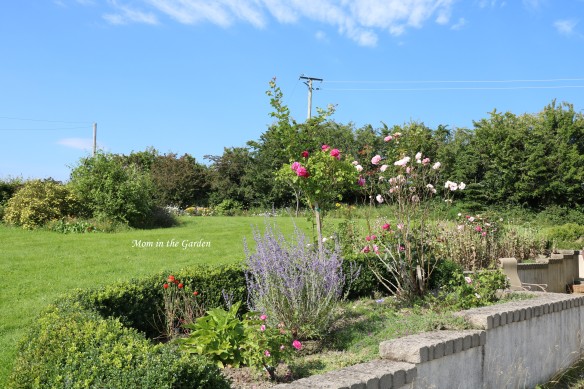
Garden view with roses
Blue skies make everything look beautiful! It helps though, when the roses are all in bloom!
full view sunflowers morning sun
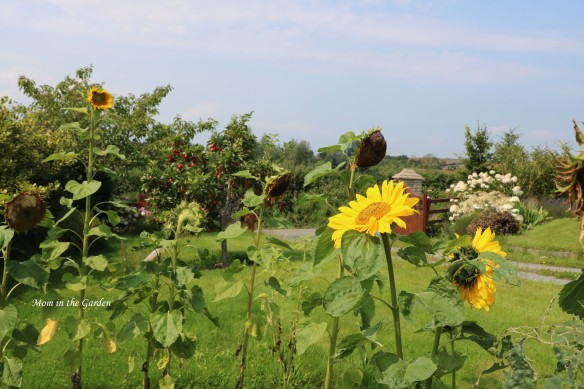
This is a full view of the two sunflower beds. The one flower on down on the ground will appear in a vase later in this post.
Sunflower center
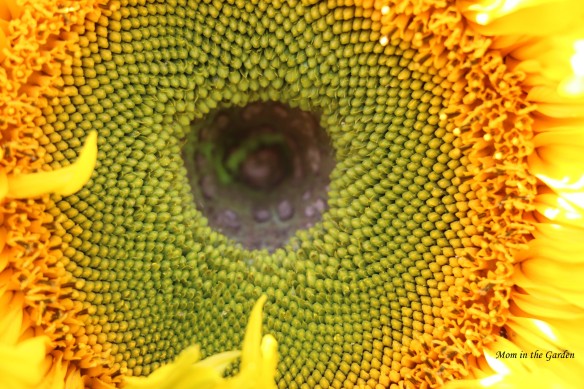
A sunflower closeup
Sunflower bed in mid August
Blue tit eating sunflower
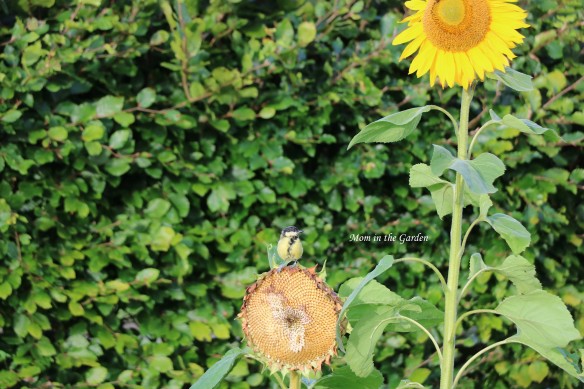
Blue tit bird eating seeds from a sunflower
Blue tit sitting on sunflower
Blue tit bird sitting on a sunflower
Sunflower beds higher view
View of Sunflower beds from an elevated view
Back deck flowers sunflower
The back deck flowers have a late summer look, including the sunflower which I saved after it was knocked over in a storm.
White lilies closeup in morning sun
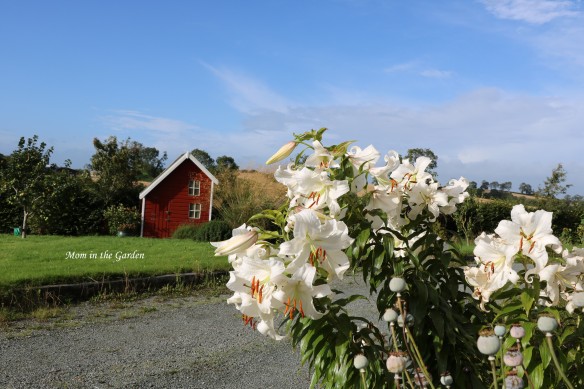
Fragrant white lilies in morning sun
Full view white lilies
Every possible bloom opened!
Hydrangea Vanille Fraise Paniculata Renhy full plant
A very full Hydrangea Vanille Fraise Paniculata ‘Renhy’
Hydrangea Vanille Fraise Paniculata Renhy close up of group
Hydrangea Vanille Fraise Paniculata ‘Renhy’ closeup. They start off white and turn pink as they mature.
hydrangea vanille fraise paniculata renhy white closeup
Hydrangea Vanille Fraise Paniculata ‘Renhy’ – a bloom that is still white!
hydrangea collage
One mophead hydrangea was so full of blooms!
basket of hydrangea
This is a very special basket, given to me by my nieghbor Betty, when we lived in Manlius, NY. Betty loved gardening and flowers, so I love it when I can use it in the garden.
Globe artichokes in vase closeup
An arrangement of globe artichokes. I wasn’t kidding when I said it was unusual looking!
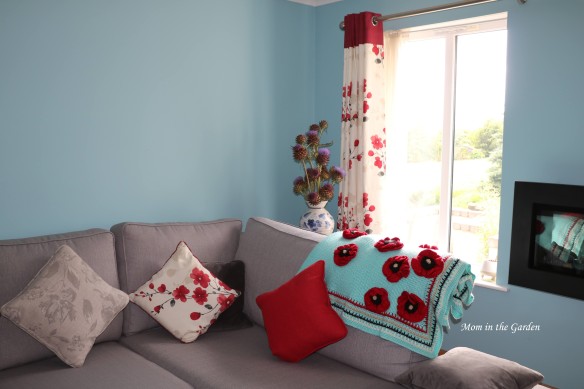
Globe artichokes in vase room view
The globe artichoke arrangement fits right in to our family room! (on the couch is the ‘poppy blanket’ which I crocheted).

Phew! There were a lot of photos for this post! I hope you enjoyed them all. 🙂

Take care!

A summer flower arrangement

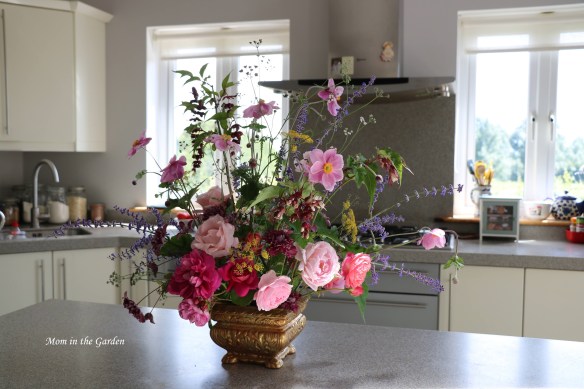
Hello there! We have enjoyed some absolutely beautiful summer days recently. I definitely get more accomplished on sunny days! (Is that the same for you, too?) I hope you have also had good weather, wherever you are in the world. As you may know, I love flowers. I always have in mind, when I’m planting flowers, if I can use them again – either in a live or dried flower arrangement. Last week I had a free morning on a beautiful sunny day and I decided to make a flower arrangement. I should add that just a few months ago I bought myself a book on flower arranging. It is called Floret Farm’s A Year in Flowers, by Erin Benzakein. It is filled with 300 pages all about ‘designing gorgeous arrangements for every season’ and complemented with the most beautiful pictures. It is a fantastic resource for learning everything you need to know about flowers, foliage, containers, flower care and of course, design. The premise is to use as many local flowers as possible, incorporating items that might not have typically been considered for arrangements. Something else that I liked seeing and learning about was creating a loose and airy look. I found it to be the motivation I needed to try something different.

I did not have a visual of the arrangement in my head before I started. I walked through the garden with my clippers and just clipped anything that I thought might work. I noted that in the book, Erin had used clematis, which were lovely additions to arrangements. That is not a plant I would have thought would be usable for arrangements! It’s great to learn new things. 🙂

Post arrangement, I found that my Japanese anemone did not fare well. I possibly should have tried a special method for their hydration (which I would do next time). Also, an obvious note was that the roses that looked ‘perfect’ when picked, were fasted to drop. My David Austin roses tend to have short stems, so I was more concerned with finding flowers with longer stems than with their maturity. But other than that, the flowers all did really well for the week. I was super lazy and didn’t even add water to the container (O.K., so I probably shouldn’t admit that).

As for the container, I’ve had that little gem for nearly 20 years. It was a gifted flower arrangement (I save everything). I think this is definitely my favorite thing I’ve done with it, though! It just seemed to all fit together nicely.

I hope you like my arrangement! I’d love it if you would please leave me a comment below, telling me which is your favorite flower, or if you enjoy flower arranging, or just say hello!

Thanks so much!

In Peace,
Dana

Rose arrangement

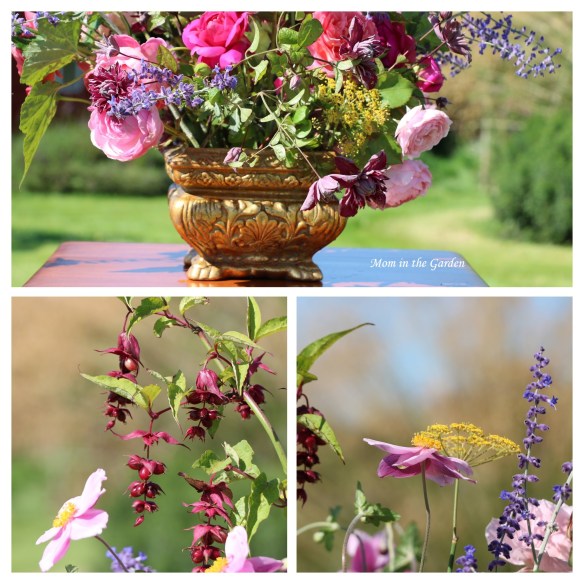
The container has two frogs in the bottom, which I used to secure the roses in place. This probably isn’t recommended, but I also used glass marbles to help to hold the rest of the flowers in place – that’s called ‘making due with what I have’! Most of the roses are David Austin roses, although I still have one rose plant that is not a David Austin rose, and I did use one of those roses.

Rose arrangement collage 2

Above is a closer look at the ceramic container. Also, just a couple highlights of the flowers: the Leycesteria formosa – also known as Himalayan honeysuckle or pheasant berry, is a hanging burgundy color flower with berries and green leaves – it also sometimes has white flowers. The tall yellow flower is fennel. I used it to tie in the yellow centers from the pink Japanese anemone. The spiky purple flower is Russian sage – Perovskia atriplicifolia ‘Little Spire’, which also dries really well.

Rose arrangement collage

The only other flower to highlight is the clematis, Purpurea Plena Elegans, which is also a burgundy color.

Rose arrangement close up
A close up of what I consider the front of the arrangement.
Rose arrangement full view 3
Full view of what I consider the back of the arrangement.
Rose arrangement full view 2
Full view of the front of the arrangement (with ornamental grass behind it).
Rose arrangement in kitchen
Well I had to bring it inside at some stage!

I loved every minute of creating this arrangement! I have to say that I was happy with my end result, even though at the back of my mind I know there were some techniques that might have been ignored. Nothing ventured, nothing gained! 🙂 Take care!