Unknown's avatar

About Mominthegarden

I'm an American enjoying life in Ireland. I live in the country with my family. It is so beautiful here! I've been creating our garden from "scratch" and having fun doing it! I blog about my gardening adventures, and a bit about Ireland, too.

Wordless Wednesday: Hydrangea Selma

In the beginning...

In the beginning…

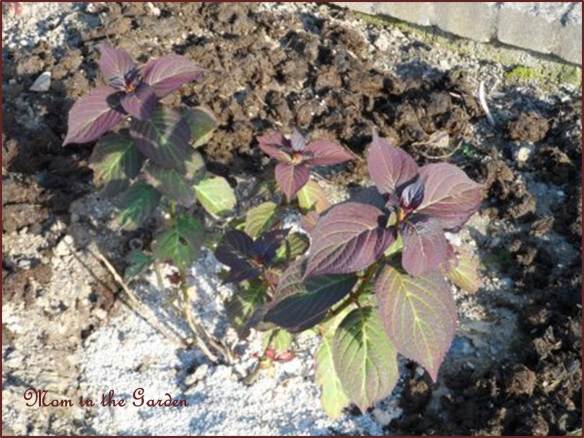
Now that is a horrible picture to start a blog post with!  And actually, that is not even (exactly) “in the beginning”.  That picture is the year after I bought my hydrangea Selma.  I had to dig it up and help the soil a bit.  The poor hydrangea was not happy.  Even with digging it up and helping the soil, it took last year for it to really settle in!  Last year the plant looked nice and healthy, but didn’t have any blooms.  Thankfully, this year is going much, much better!

Earlier in the season

Earlier in the season

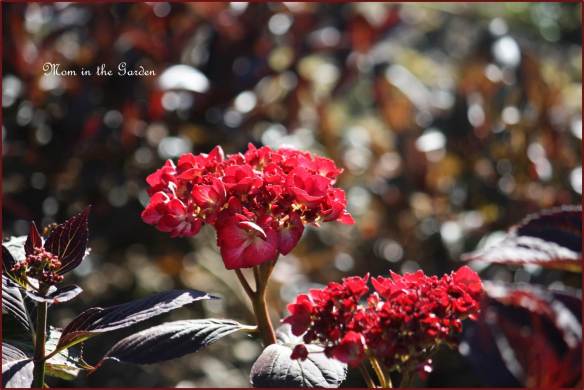
A cherry color if you ask me

A cherry color if you ask me

The foliage is a lovely almost  burgundy color

The foliage is a lovely almost burgundy color

The white centers are becoming more prominent

The white centers are becoming more prominent

(the green leaves are from another plant)

(the green leaves are from my leycesteria formosa plant)

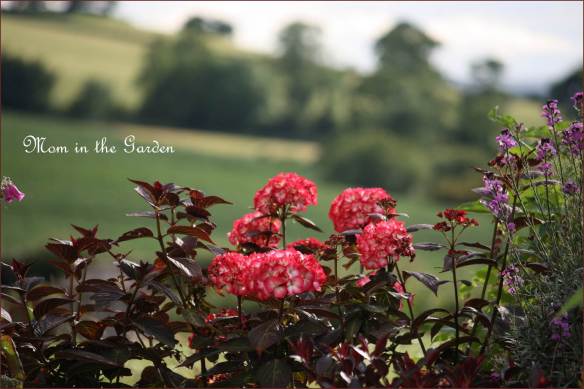
Still filling in with blooms

Still filling in with blooms

And here are two pictures of the plant when I bought it in August 2010.  I prefer what it looks like today 🙂


It looked lovely when I bought it!

It looked lovely when I bought it!

This is what it looked like when I bought it in August 2010

This is what it looked like when I bought it in August 2010


Another “Dana version” of Wordless Wednesday!  Here is a link to what we did to the soil to help the health of the hydrangea, if you’d like to read about that:  https://mominthegarden.wordpress.com/2012/10/18/hydrangea-selmas-new-life/  

I’m so glad I had the chance to share all of my hydrangea pictures!
I should really challenge myself to actually post with no words…  But what fun is that? 🙂

Dana

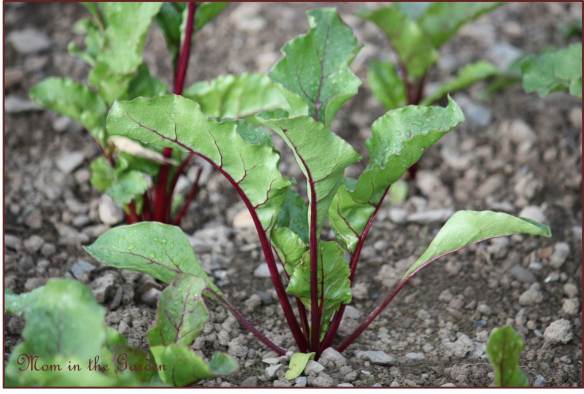
A perfect day for roasted veggies (and the beets in the garden are looking well)

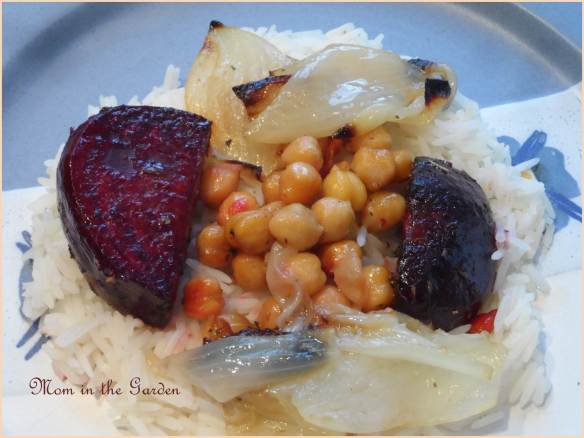
Roasted onions, chic peas & beets

Roasted onions, chic peas & beets

Blog posts:  I never know what is going to inspire me.  For a while there I was getting all up-tight about blogging and who was reading, commenting, or “liking” my posts.  But that was really taking all of the fun out of it for me.  So I’m going to go back to what originally enticed me to blog: sharing what I love.  And tonight, that means sharing what I made for dinner!

Roasted beets (beet root), onions, and chick peas with rice

Roasted beets (beet root), onions, and chickpeas (garbanzo beans) with rice

The weather has turned quite dark, wet, and cold, which is perfect for roasting veggies in the oven.  I have never roasted chickpeas (garbanzo beans) before.  It was one of those ‘throwing dinner together from whatever I could find in the fridge and cabinet’ kind of nights!  I was really pleased with how it came together.   The chickpeas are quite tasty and after I roasted them with olive oil they were somewhat crunchy on the outside but still soft on the inside (and still tasty).

My daughter thinks she set her plate up nicer than mine...

My daughter thinks she set her plate up nicer than mine…

I used a high heat: 450 degrees Fahrenheit/ 230 degrees Celsius.  The beets and onions I peeled, cut, and covered in olive oil and Herbes de Provence spices.  The chickpeas were covered in olive oil and a bit of Cajun spice mix.  They were cooked in about 30 minutes, after turning them half-way through.  SO EASY.  and delicious.

Organic Robuschka Beetroot

Organic Robuschka Beetroot

My beets in the garden are a little late this year.  I planted 3 beds of them “on time” in early spring.  But none of those seeds came up. None.  Not one.  I think my kitty had something to do with it…  So my husband planted another bed for me in May.  His plants fared much better, and have even survived being thinned out and replanted.  I’m O.K. with that.  At least we’ll have beets!

Our bed of Robuschka Organic beetroot

Our bed of Robuschka Organic beetroot

I think our favorite way to eat beets is to roast them.  But hopefully we’ll have enough to pickle some as we like them that way, too!

There, now that is a blog post I can be happy with.  🙂

Happy roasting veggies if your summer is chilly!

Dana

Keeping the purple color scheme from the beets... Purple hydrangea :-)

Sticking with the purple color theme from the beets, here are some purple hydrangea 🙂


Sharing from the garden…

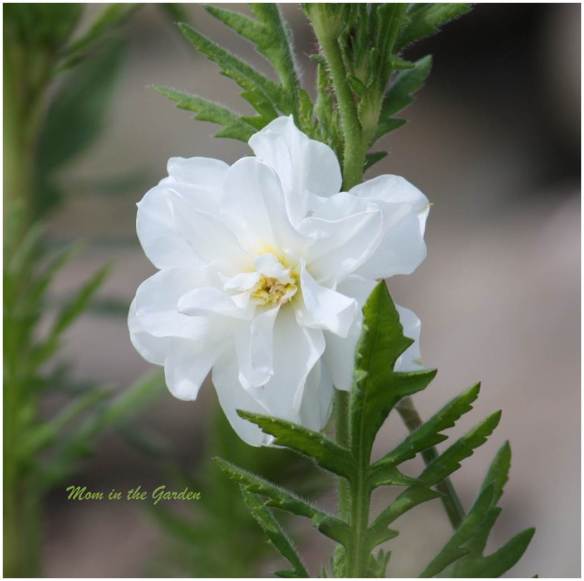
Daffodil Double Poet White

Daffodil Double Poet White given to me by a dear friend

Time. It is something that I always want more of.  With a recent change in my schedule, my time in the garden has been cutback dramatically. I’ve been enjoying late evenings in the garden watering the more needy flowers during a bit of a dry spell. A common expression here is “when the weather is good, there is nowhere in the world as nice as Ireland”! I have to say that feels so true these days of sunny and warm, but not hot, weather!

View of our fruit garden from the deck

The garden doing well with the good weather

I had the chance to catch-up with my dear friend Susan this week. We hadn’t seen each other in ages and it was so nice to have some time together. After catching up on how our families are doing, we spent a lot of time talking about plants! We are planning a mini garden tour among a few of our friends. Last year when we did something similar our hostess shared a bunch of different plants with us. I made out very well!

Schizostylis

Schizostylis (given to me by that same dear friend)

Schizostylis

Schizostylis

My ditch wall garden was pretty much filled with gifted plants!  I have a few pictures from early spring and now.  It is amazing how everything fills in and really comes to life.

Ditch wall garden in March

Ditch wall garden in March

Ditch wall garden at the end of June

Ditch wall garden at the end of June

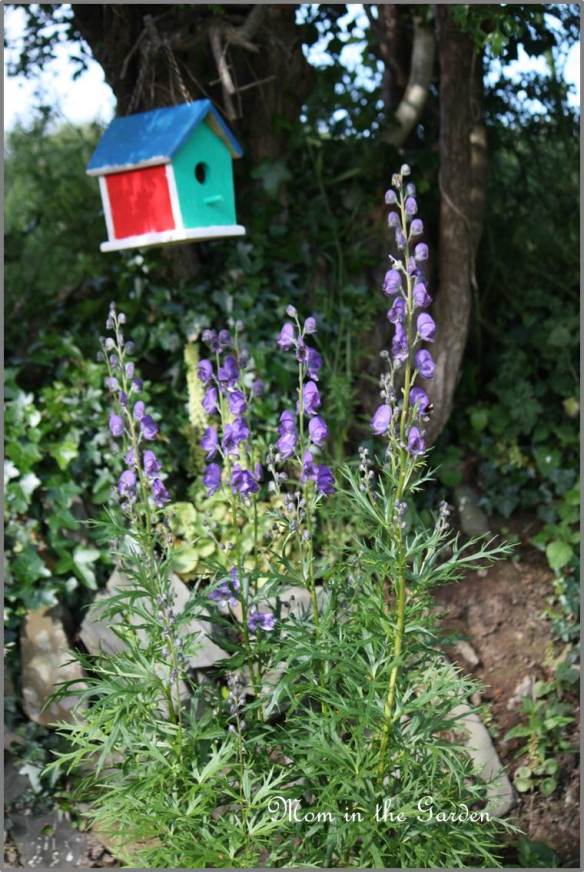
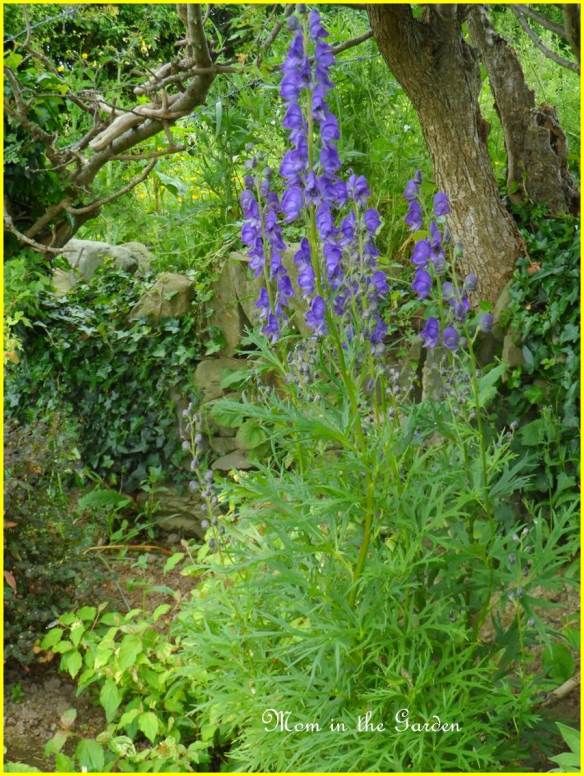
That is some difference, isn’t it?!  Here are a few pictures of some of the gifted plants, too. The first is of Monkshood.  It is very pretty, and (very) poisonous.  I didn’t know what it was when I got it, otherwise I’m not sure I would have planted it.  Thankfully, my kids, and my cat, aren’t interested in eating plants.

Monkshood (poisonous plant)

Monkshood (poisonous plant)

Monkshood

Monkshood

Monkshood closeup

Monkshood closeup

I’m not sure how I managed it, but I ended up with 4 different plants from our last “tour”!

Dogwood

Dogwood and primrose

The red stems on this dogwood really stood out this past winter.  The primrose is just starting to wake up in the above picture.  I have a better picture here:

primrose

primrose

Seriously, aren’t they fabulous?  They really brightened up the garden in late winter/early spring!

I think we should be doing some plant sharing this time, too. Some of the plants that Susan has shared with me over the past few years have grown and thrived. This year we have so many babies!!!

Dusty Miller babies

Dusty Miller babies … lots of ’em!

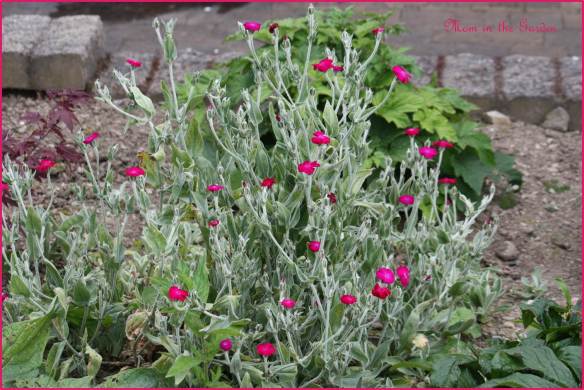
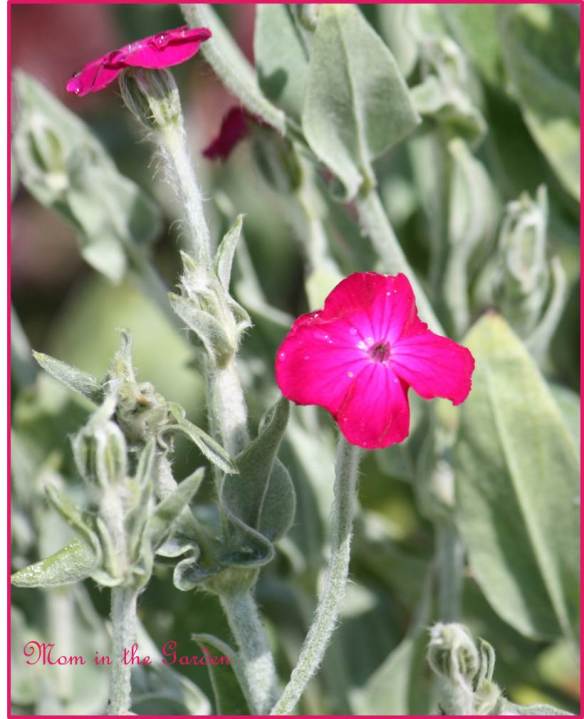
Dusty Miller Lychnis Coronaria

Dusty Miller Lychnis Coronaria

Dusty Miller Lychnis Coronaria

Dusty Miller Lychnis Coronaria

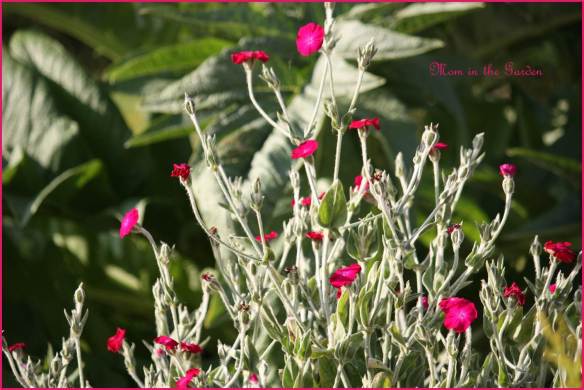
Dusty Miller Lychnis Coronaria

Dusty Miller Lychnis Coronaria

When I lived in New York, every year just before our kids were finished school in June we would get together with a bunch of friends for lunch and a plant swap.  It was always something to look forward to!  (Thank you Ellen A. for always hosting and having lots of plants to share!)

Now it is my turn to share the bounty. It is lovely to think of friends as you see the plants they have given you come into bloom. Have you shared any plants lately?

To all of my American friends and family I wish you a Happy 4th of July!

Share the love of gardening!
Dana

A garden no matter how small…

Floribunda Rose Queen Elizabeth

Floribunda Rose Queen Elizabeth

I was away from my country living today, and was in and around Dublin for the day. Being one to always be on the lookout for flowers and gardens, it struck me how many home gardens I saw. Gardens in very, very small spaces and with beautiful flowers!  It was clear that no matter the size or location, the gardens were well tended and cared for; all throughout the Dublin area.  The predominant flower was definitely roses.  There wasn’t one color in particular that stood out, but rather, every color was represented.  It was such a treat to see!  Unfortunately, I wasn’t able to take any pictures (and you know I would have if I could have!).

Floribunda Rose Burgundy Ice

Floribunda Rose Burgundy Ice

This evening my son had a Gaelic football match in a nearby village.  I think it would be safe to say that it was “in the country”.  I was no less impressed on our drive there with the fantastic gardens in the front yards of houses.  It is lovely how attentive people are to their gardens.  I really like getting glimpses into different gardens, ideas, and flowers, especially when I’m not driving! 🙂

Hybrid Tea Rose Pink Peace

Hybrid Tea Rose Pink Peace

What a lovely day I’ve had. It was nice to really appreciate all that was around me.  I still get moments of “wow, I live in Ireland”!

Rosa Jacques Cartier (1868)

Rosa Jacques Cartier (1868)

ground cover flowers in my rose garden

ground cover flowers in my rose garden

But mostly, I get feelings of “wow, I really like my garden”…

A view of the rose garden

A view of the rose garden

It is a work in progress. But it is all a labor of love.


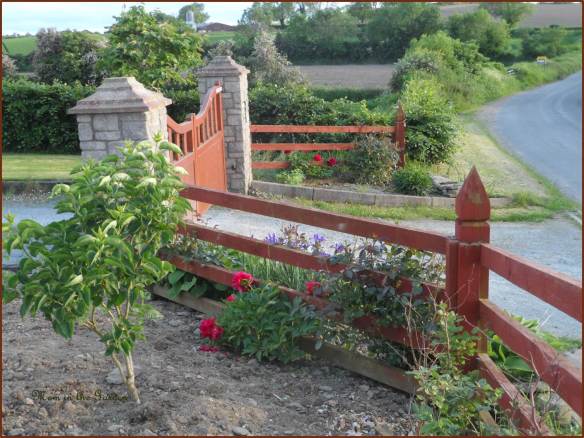
A glimpse of the roses at our front gate

A glimpse of the roses at our front gate

I hope there is a beautiful garden near you to make you smile!  Or at least, I hope a glimpse into my garden will make you smile 🙂

Happy Summer!

Dana


Roses, and blackspot, and milk, oh my!

Rosa Jacques Cartier (1868) My favorite rose in the garden.

Rosa Jacques Cartier (1868) My favorite rose in the garden.

The dreaded blackspot has returned to my roses this year.  Oh how my heart sank when I first saw it on those pretty rose leaves that seemed to be so healthy!   But treating blackspot with milk? Really? Are you sure???  Well, here is my story so far!  I love roses.  So much so that they were the first flowers that I planted into my first flowerbed.  That was way before I knew anything about blackspot. or roses.   The next rose plant I buy will definitely be blackspot resistant.  But for now I must deal with what I have, and that is rose plants with blackspot…

Blackspot damaged leaves

Blackspot damaged leaves

I gave Fruit Hill Farms in Cork a call last year (https://www.fruithillfarm.com/). They are an organic center and they suggested that I try and build up the health of the plant to prevent blackspot.  I wasn’t too surprised to find that what they suggested, Mucofol, was quite smelly to use!

Rose plant in the beginning

Rose plant early in the season

Rose plant

Rose plant (still healthy looking)

For those who wish the details of the Mucofol, here you go:

Mucofol (L) is absorbed by the leaves and the soil. Thanks to its root stimulant and crop care ingredients the  roots, leaves and soil are increased with endogenic capacity and develop its own immune system.  The ingredients in the product are working as soil conditioner, plant strengthener and have an indirect effect on pests and diseases.  It consists of a highly concentrated composition of specific herbs based on water. The product is natural and of vegetable origin, non-toxic and not persistent. The product will be degraded in the soil and leaves no residues in nature.

Keeping track of rose plants...

Keeping track of rose plants…

The Mucofol is in liquid form which you then dilute with water.  We sprayed the roses a few times early this spring.  They initially seemed to be doing well.  But unfortunately, the blackspot has appeared.
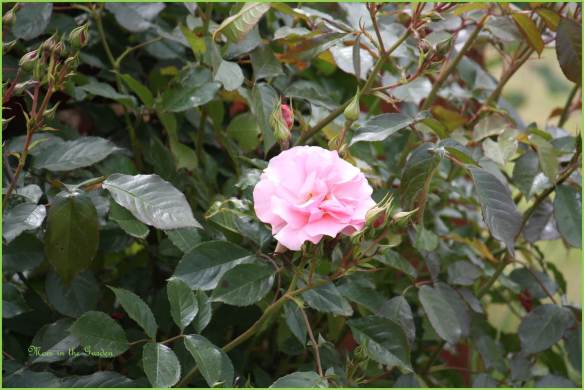
One of my climbing roses still looking good.

One of my climbing roses still looking good.

The same week that I noticed the blackspot, one of the blogs that I follow had a post about treating blackspot with milk. Kevin Lee Jacob, blogging from the Hudson Valley in New York (which is where I grew up),  has a  wonderful blog called A garden for the house.  You can click on his  post about treating blackspot here:    http://www.agardenforthehouse.com/2012/05/got-black-spot-get-milk/   It seems easy enough: add one part milk to two parts water, and spray once a week.  The feedback on Kevin’s blog is quite good.  I have my fingers crossed that it will keep the blackspot from spreading.
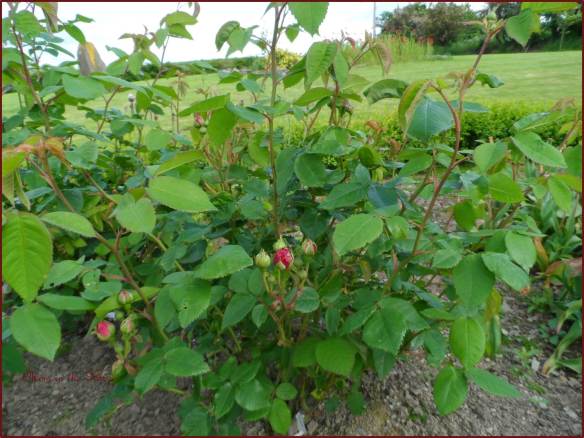
Rosa Jacques Cartier (1868) late May early June

Rosa Jacques Cartier (1868) late May early June (getting enough air circulation???)

I do know, as I am sure all of you do too,  to clear away all of the bad leaves (and never put them in the compost).  I pruned the roses this past winter to help with air circulation.  I might have to revisit that, though, as my old fashioned rose plants (the Rosa Jacques Cartier)  seem quite crowded despite my pruning.

Rosa Jacques Cartier (1868) on June 14th (after two milk & water treatments)

Rosa Jacques Cartier (1868) on June 14th (after two milk & water treatments)

Speaking of pruning, I am filing this other blog post away for next winter as I think there are quite a few good points to it.  Have a look and let me know what you think: http://www.hometalk.com/3816372/the-10-biggest-mistakes-people-make-when-pruning-roses

Quick, take some pictures while still looking good!

Quick, take some pictures while still looking good!

For now, I have cut off as much of the blackspot affected leaves as possible, and I will continue to spray once a week with my water and milk spray.  Oh, and I’ll be taking as many pictures as possible while they still look pretty!
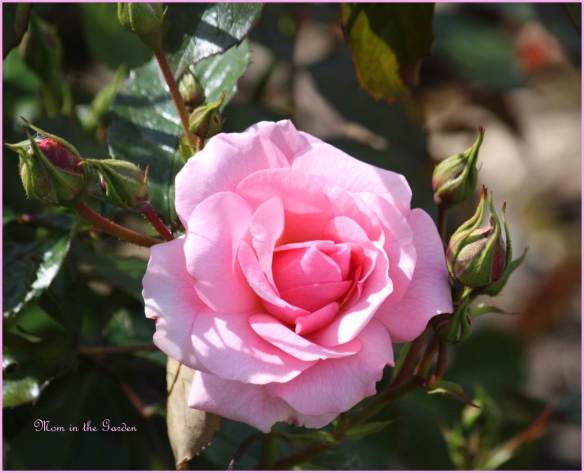
Climbing rose in June

Climbing rose in June

Climbing rose in June (evening sunlight)

Climbing rose in June (evening sunlight)

It is amazing how different things look with different lighting!  Our evenings can be so beautiful, with sunlight right up until 10 P.M.

Rosa Jacques Cartier (1868) and bee

Rosa Jacques Cartier (1868) and bee

My garden has been buzzing for a few weeks now, with the busy sound of bees.  Early this spring we had millions (really!) of lady birds (or called lady bugs, depending on where you are from).  It was neat to see them all as they were everywhere!  And unlike last year, I didn’t have any issue with aphids. At all.  Just blackspot…

Rosa Jacques Cartier (1868)

Rosa Jacques Cartier (1868)

I hope if you have roses, they are nice and healthy!  If you happen to get blackspot and try the milk/water solution, please let me know how that goes for you.

Dana

Peony in a very special Vase


In the beginning...

In the beginning…

I started this post as a “Wordless Wednesday” idea.  But I just have a really hard time not adding text!  So I am going to forget about the wordless Wednesday part, and I’m just going to tell you about my peony.   My father-in-law divided his peony plant for me a couple of years ago.  Peony are fussy, so the first year nothing happened with my plant.  The second year we had (maybe) a couple of flowers. Finally, this year we have a full shrub of flowers.  Good things come to those who wait! 🙂

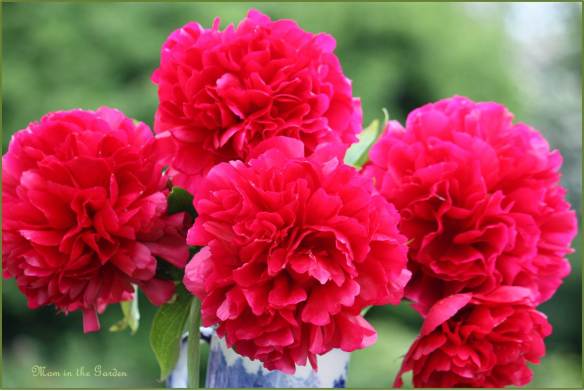
Peony in vase

Peony flowers

I had enough blooms on the shrub that I didn’t mind cutting some.  I actually waited a bit to cut them, so they were nearing the end of their lives anyway.

Peony in vase

Peony in a water jug

My parents live in New York, so while Skyping with my mom I showed her my peony arrangement.   Maybe you heard her gasp???  You see she gave me that beautiful vase. Well,  I think it is a water jug but I used it as a vase. There are two to the set.  But never would she imagine that I’d actually *use* it!  They are quite special to her (and now to me), and beautiful, and more than 100 years old.   Honestly, they’ve sat up high on my bookshelves for way too long.  It was time to bring some of that beauty into our living space.  I love it.  And I think the peony flowers look lovely in it.

My special vase

My special (water jug?) vase

I promised my mom I’d be careful with it.  The peony flowers have since faded and the vase is back up high in its safe place again…

Peony in the garden at the front gate

Peony in the garden at the front gate

I still have a few peony just barely hanging on to life in the garden.  Even now they are providing a lovely splash of color.

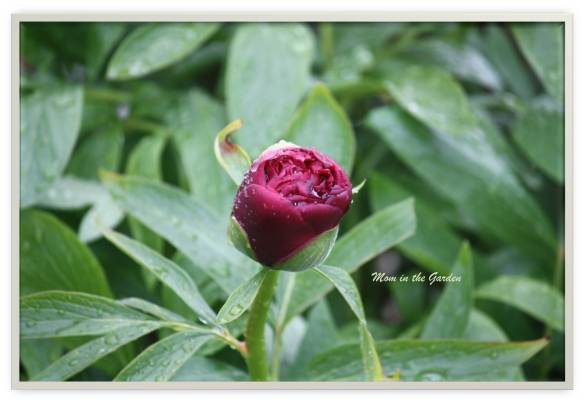
Peony with rain

Peony with rain in mid May

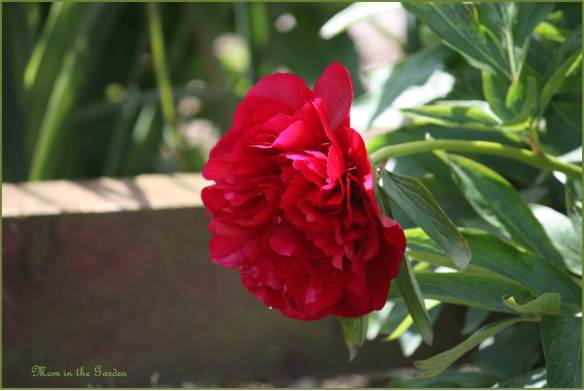
I tend to take lots and lots of pictures of individual flowers and close-ups.  I like to be able to really focus in on one thing!  But I actually have a picture of the area around our front gates as I had been working on one of the beds this past weekend.  I hate taking pictures when weeds get in the way! (that explains why so few full bed pictures…)  So this is a current picture of the peony flowers.  Very, very, very near the end of their lives.  But oh so beautiful even still.

Peony at the gate

Peony at the gate

I wonder what flowers I will put in the special vase next?

Thanks for visiting!
Dana

A Pink and Purple Garden

In the beginning...

In the beginning…

That isn’t a picture of our “pink & purple” garden.  It is a picture of the area before we created our garden.  Over the weekend my husband complimented our pink & purple garden.  It was a little funny because he said “we’ve done a really good job with this garden”.  I was weeding it at the time. He was watching me.  I have to say that I just stopped and looked at him for a moment, before he smiled and then said “oh, I mean *you* did a really good job”!  Indeed. 🙂  Here is a post which tells (and shows) the process of my creating it. https://mominthegarden.wordpress.com/2012/03/23/making-a-flower-bed-one-bucket-of-topsoil-at-a-time/

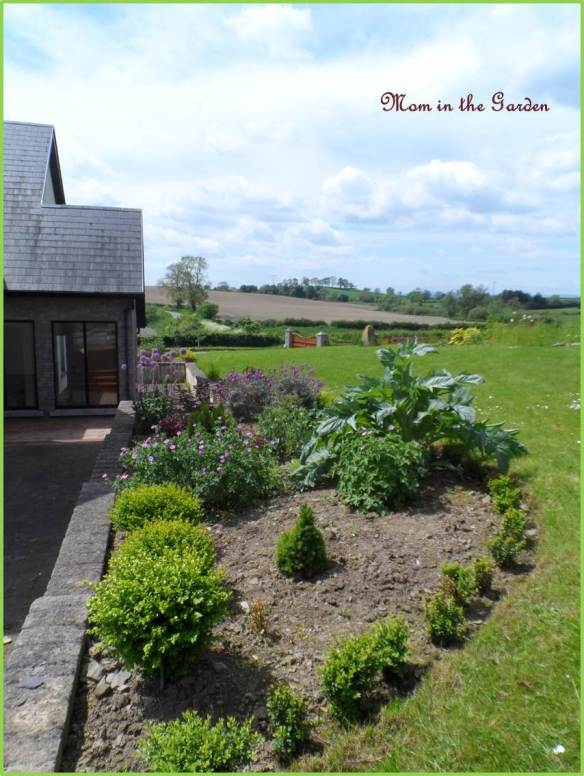
Pink garden filling out

Pink & Purple garden  (May 31st)

I have boxwood, called box plant in Ireland, around the border.  It struggled for at least a year, and I thought it wasn’t going to make it. I’ll spare showing you the pictures of it turning a rusty orange color.  I fed it quite a few times this past winter and it is now finally showing new signs of healthy life.  There are three larger box plants on the left in the above picture.  My husband and I are debating on what to do with them.  Wouldn’t it be great to be able to sculpt them into something fun? 🙂

A better view of the box plant around the pink garden

A better view of the box plant around the pink & purple garden

I have extended the garden a tiny bit since I first planted the box plant.  I must bring that line of box plant down a bit further to complete the garden.

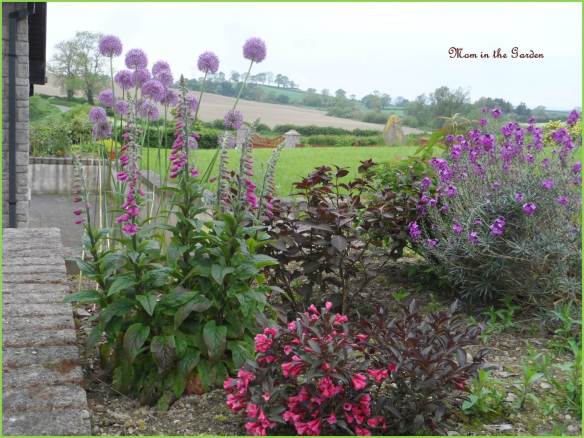
Allium 'purple sensation', foxglove, erysimum bowles,  Weigela florida 'Alexandra', Hydrangea Selma

Allium ‘purple sensation’, foxglove, erysimum bowles, Weigela florida ‘Alexandra’, Hydrangea Selma

Parts of the garden have really filled out.  The foxglove plant wasn’t planted by me. It is the second plant that has been planted courtesy of the birds!  It seems to fit in nicely where it is, lucky enough!

foxgloves

foxgloves

The Erysimum Bowles plant is on its last leg I’m afraid.  It gets quite woody, gangly and unruly after a few years.  I will be replacing it at the end of this season, hopefully with another of the same.  It is still quite pretty from the front!


Erysimum Bowles 'Mauve'

Erysimum Bowles ‘Mauve’

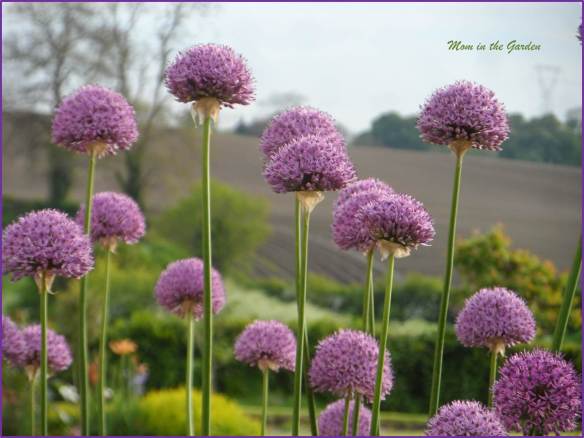
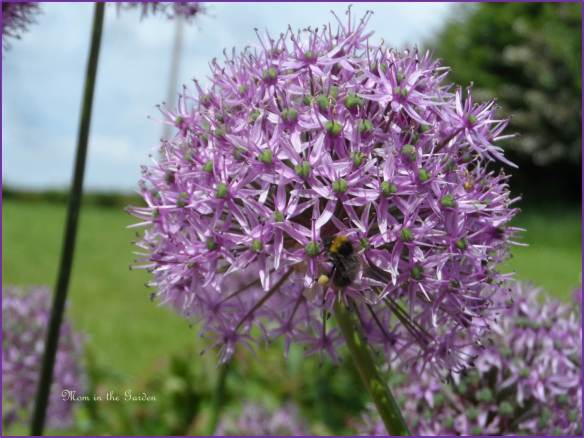
Purple sensation allium gives great personality to the garden.  It is a real attention getter!  Our spring must have been quite mild as I only put in a couple of stakes just the other day for the allium.  Normally they would be completely flopped over by now!


Allium 'purple sensation'

Allium ‘purple sensation’

Allium up-close

Allium up-close

Those are all of the blooms in the pink & purple garden so far.  I have a few more plants that should give it some color later on in the summer.  Undoubtedly I’ll be shaking things up a bit and moving things around as I figure out sizes.  For instance, that globe artichoke plant is double the size it was last year!  We’ll see.  And I’ll let you know how it goes. 🙂

The globe artichoke plant is *huge*

The globe artichoke plant is *huge*!

Happy June!
Dana


Wordless Wednesday – Lilacs

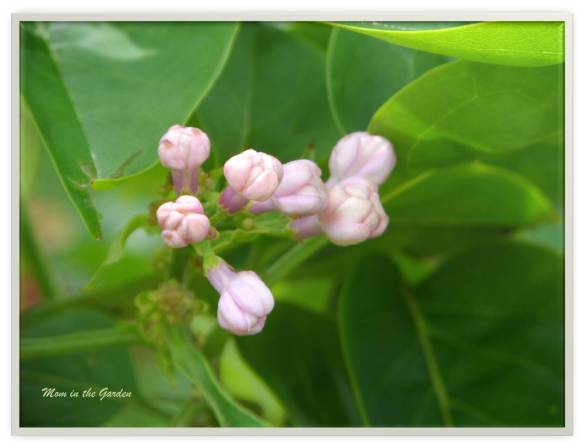
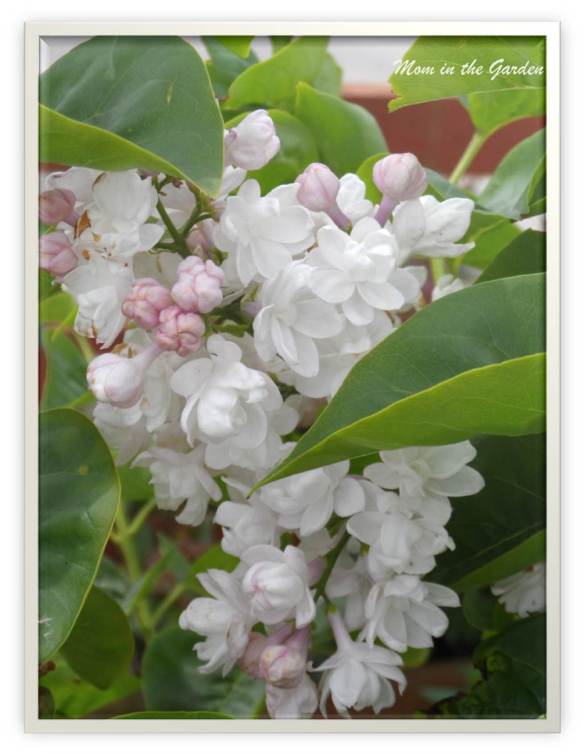
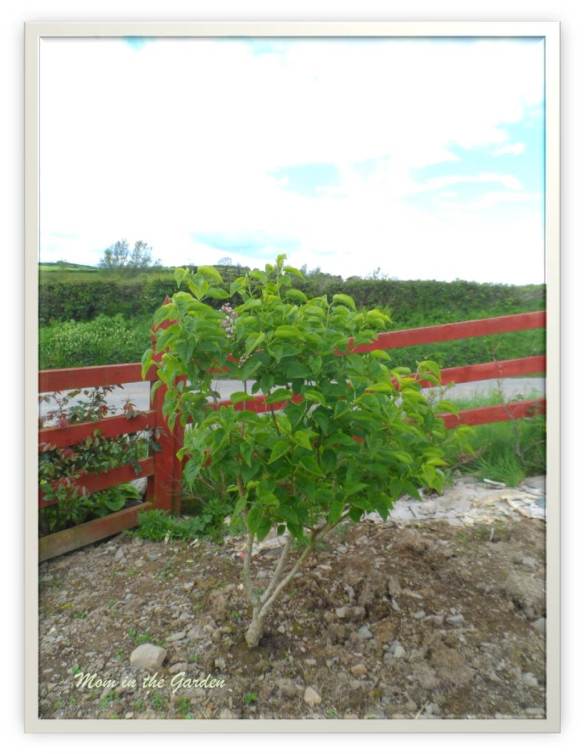
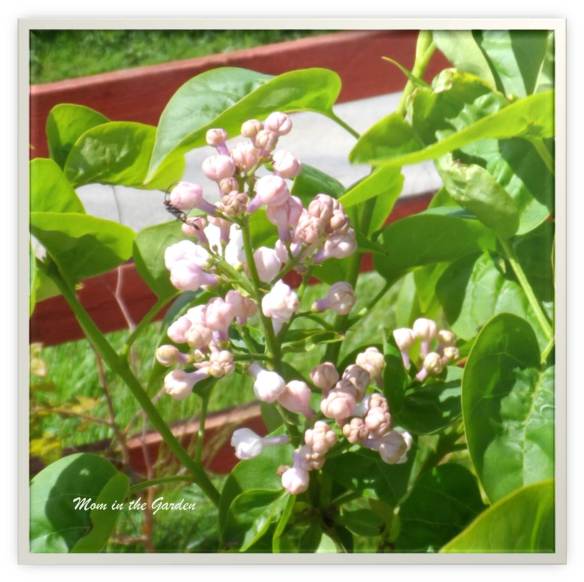
Syringa v. Beauty of Moscow

Syringa v. Beauty of Moscow

Wordless Wednesday … man that might be hard for me!  I always have something to say 🙂

Syringa v. Beauty of Moscow

Syringa v. Beauty of Moscow

The first few pictures are of my pink lilac tree (Syringa v. Beauty of Moscow).  It is 2 years old and this is the first year we have blooms.  The tiny flowers are pink until they open, and then they transform to white.  It is very pretty!

Syringa v. Beauty of Moscow

Syringa v. Beauty of Moscow


Syringa v. Beauty of Moscow

Syringa v. Beauty of Moscow

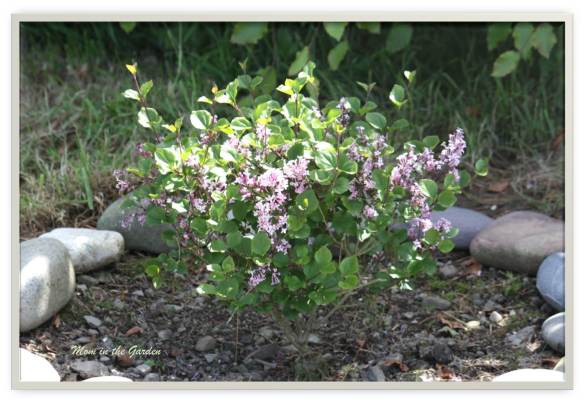
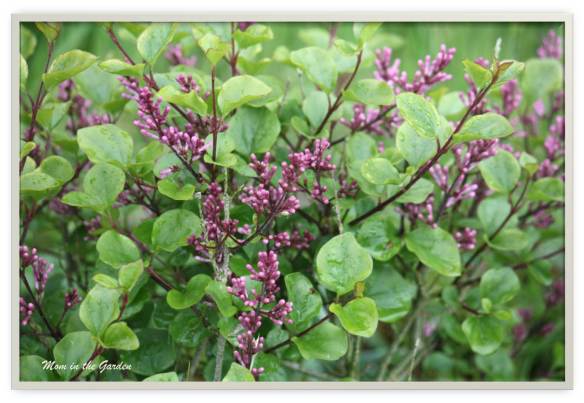
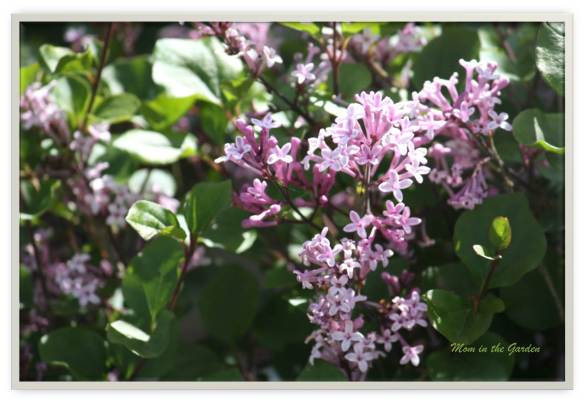
This next little shrub is called Syringa meyeri ‘Palibin’.  We bought it at the same time as the Beauty of Moscow and just the same, this year is the first that it is blooming.  It wasn’t on my “list” of plants to buy, but I was convinced to give it a try  by the owner of the nursery.  I have to say that I am pleased that I did as it gives off a lovely fragrance, much stronger than the lilac tree.

Syringa meyeri 'Palibin'

Syringa meyeri ‘Palibin’

Syringa meyeri 'Palibin'

Syringa meyeri ‘Palibin’ before the flowers opened

Syringa meyeri 'Palibin'

Syringa meyeri ‘Palibin’ oh so fragrant!

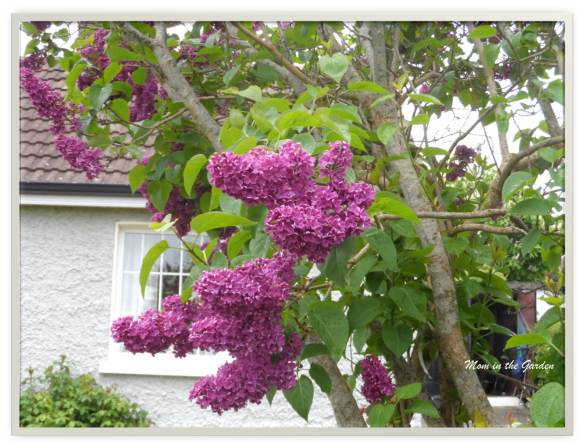
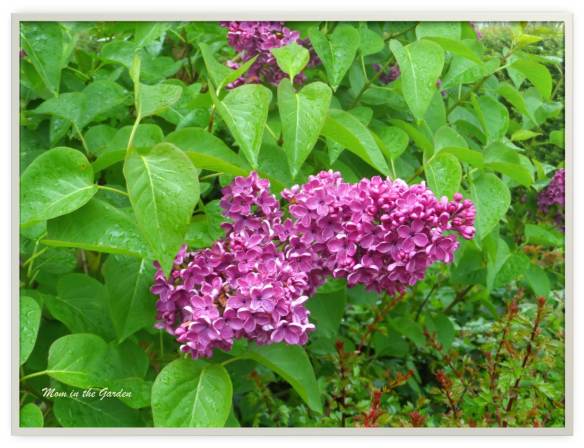
The next photos are of lilac that doesn’t belong to me.  I drive through a lovely little village called Drumconrath to bring two of my kids Irish dancing.  I passed this lilac tree a few times before I decided that I had to stop and take some pictures.  I love the darker color of the blooms!

Lilacs along the road in Dromconrath

Lilacs along the road in Drumconrath

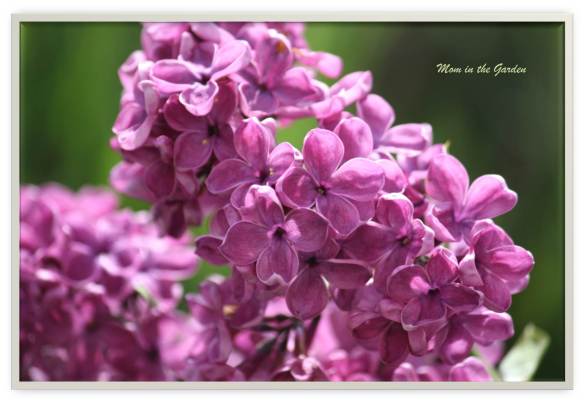
As it happened, the owner was outside when I stopped to take pictures.  She is a lovely woman, and offered for me to take some home with me! She didn’t know the variety of lilac, unfortunately.

lilac

lilac

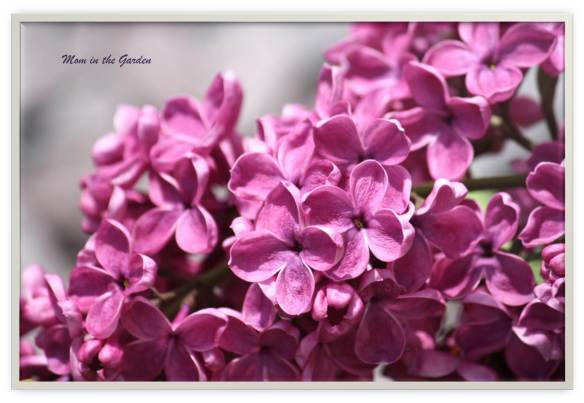
I had fun taking pictures of the flowers at home.  I love taking pictures of flowers! 🙂

lilacs in a vase

lilacs in a vase

lilacs in a vase

lilacs in a vase

lilacs in a vase

lilacs in a vase

lilacs in a vase

lilacs in a vase

And that is my version of a Wordless Wednesday!
Happy Wednesday
Dana

Planting Organic Seed Potatoes (Rudolph) and watching them grow!

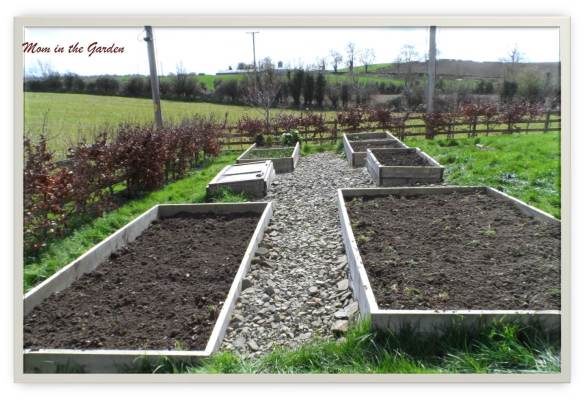
Empty beds

Empty beds in early April.  The beech hedges are still brown.

Living a healthy lifestyle with exercise, eating whole foods, and taking care of my garden is what makes me happy and keeps me going.  I like living this way!  I am so thankful for my time in the garden as it always makes me feel good.  Yeah, I know, that sounds really corny, but I’m sticking with it.  Watching the garden change through the seasons and watching it mature through the years is such an amazing thing to experience.  I think it is important to be able to appreciate nature and all its wonder.  My family doesn’t always agree with me on this though!  What we grow in the garden is dictated by what will be eaten.  My friends can’t believe that we don’t grow lettuce, but my family doesn’t eat salad!  So we plant what they do eat: lots of fruit, and a few different vegetables.   Potatoes are a favorite, and they are the first to be planted early in the spring season.

Planting Organic seed potatoes

Planting Organic seed potatoes

The first thing to do, actually, is order the organic seed potatoes early!  I ordered mine in January from Fruit Hill Farm in Cork https://www.fruithillfarm.com/ .   After they arrive, I put them in egg cartons and leave them in a non-sunny place as part of the chitting process.  This helps the spud to grow faster once planted in the ground.  Here is a picture of the sprouts forming.  Those are placed up in the ground when planted.

The potatoes "chitting"

The potatoes “chitting”

When to plant?  Here in Ireland St. Patrick’s Day is a general guideline for when to plant potatoes.  I didn’t plant any “early” varieties this year, so for me it is usually around the end of March or beginning of April.   I just took a little walk down memory lane and visited my posts on planting potatoes from last year and the year before. My how the garden has grown! You can have a look here:

https://mominthegarden.wordpress.com/2012/03/19/planting-early-potatoes-and-raspberry-plants/

https://mominthegarden.wordpress.com/2012/04/10/planting-maincrop-potatoes-on-easter-weekend/

https://mominthegarden.wordpress.com/2013/04/23/planting-sarpo-mira-spuds-and-extending-the-stone-path/


Setting up the potatoes

Setting up the potato beds

My husband is the potato planter (and the pea planter, and pickling cuke planter, and strawberry planter!…).  It’s funny how that works!  I’m glad he also enjoys working in the garden.  It is definitely a team adventure.

Planting  potatoes

Planting potatoes

He digs the trench, sets up the potatoes, and covers them up.  They are planted 6 inches deep and about 12 inches apart.  When the time comes he’ll also earth them up.  That is when you work the soil up to cover the plant as it grows to keep light from the potato.  We don’t have to start that until the plants are about 8 inches.  The earthing up process covers all but the top 2 inches of the plant.

Covering up the potatoes

Covering up the potatoes

They are just now growing into nice little plants.

Potato plants in May

Potato plants in May

Potato plant

Potato plant

Potato plants in May

Potato plants in May

It is fun to check on them and see how they are growing.  They seem to be doing very well!

Vegetable beds in May

Vegetable beds in May. The beech hedges are now green and the cherry tree is in full bloom.

The large bed on the right is where we planted our potatoes last year.  I’m giving that bed a rest from potatoes for now.  Overall the growing season and the garden is doing well!

We had an amazing sunset the other evening.  I’ll end the post with that picture as it is one of my favorites!  I hope your planting is also going well!
Dana
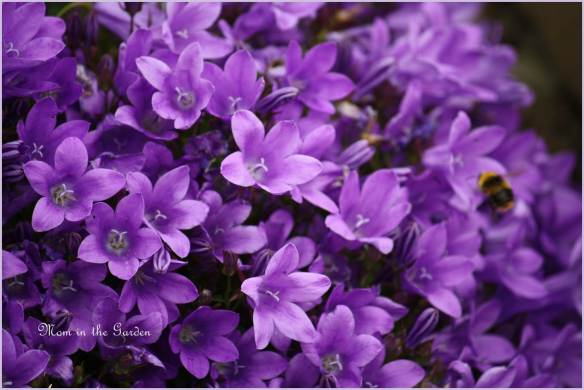
A golden evening with a rainbow in May

A golden evening with a rainbow in May