When everything (isn’t) coming up roses

Hi there! I know it is so much more fun to talk about all the wonderful aspects of gardening, but sometimes, it’s a good idea to cover the ‘ugly’, too. Today I’m talking about tulips and something called ‘tulip fire’.

Tulips are a bulbous herb, that are planted in the fall and flower in the spring. They are considered perennial, as they should return every year. In truth, I have found that only in rare instances do they return year after year. It isn’t uncommon to have them dwindle in numbers as time goes on. In the worst case, they come down with tulip fire. Here’s what I’ve learned about that:

Tulip fire is a fungal disease of tulips caused by Botrytis tulipae, which produces brown spots and twisted, withered and distorted leaves. It is so named because in severe cases plants appear as if scorched by fire.

The Royal Horticultural Society

My experience is that the leaves look terrible and they don’t actually produce flowers, or if they do, they are of very poor quality. The solution is to dig up the bulbs and throw them out (not on the compost). Also, it is advised to not replant tulips in that spot for at least three years.

While one way to prevent tulip fire is to ensure the bulbs are of a high quality, with no signs of the black mold on them, I have had the misfortune of tulip fire occurring on subsequent years after planting. For this, there are no preventative measures.

Playhouse with tulips and bleeding heart

Here’s my story of how tulip fire wiped out a full bed of tulips. In the fall of 2021, we planted 60 bulbs each of Tulip Mascotte (fringed tulips) and Tulip Lilac Perfection in front of our playhouse. They were amazing that first year!
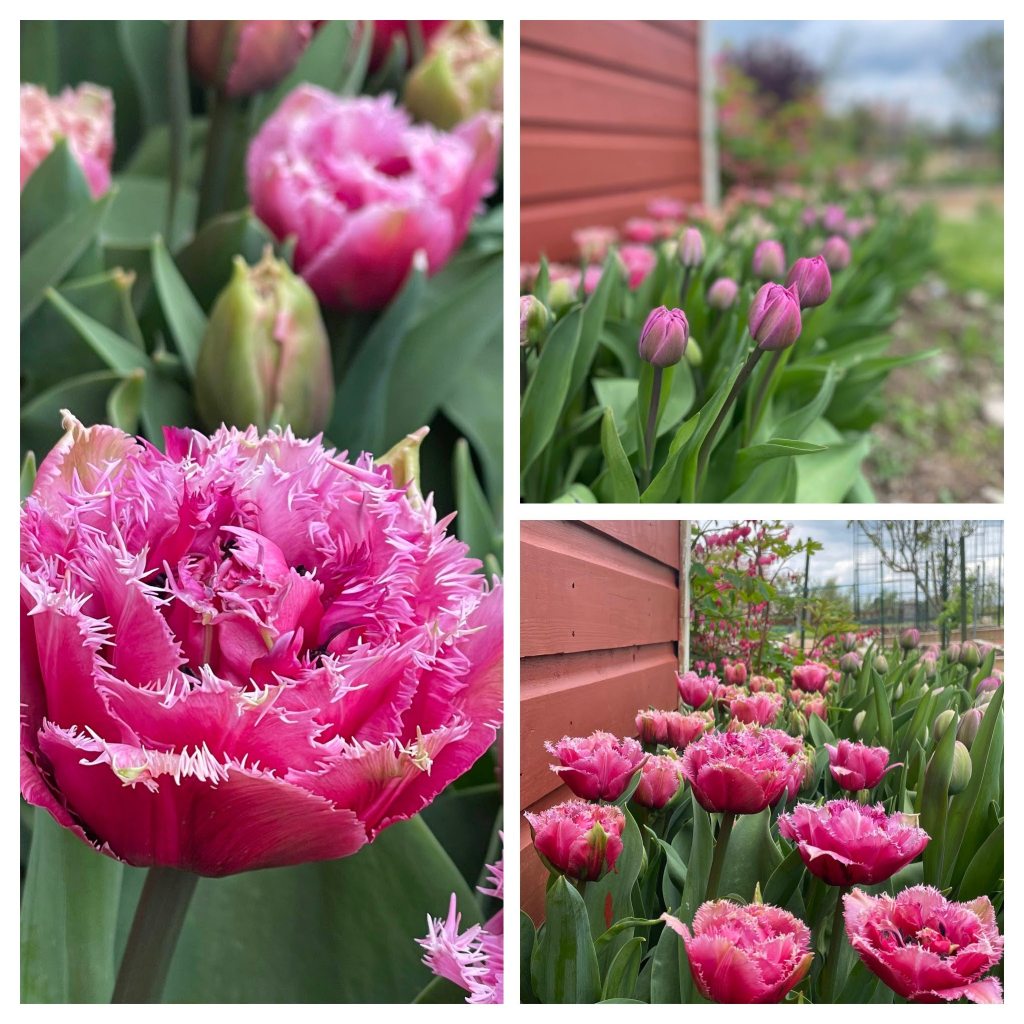
Tulip Lilac perfection and Tulip Mascotte
Tulip Lilac Perfection.

They were truly fabulous tulips! There were so many blooms that seemed to last forever. And of course they made great cut flowers, too.

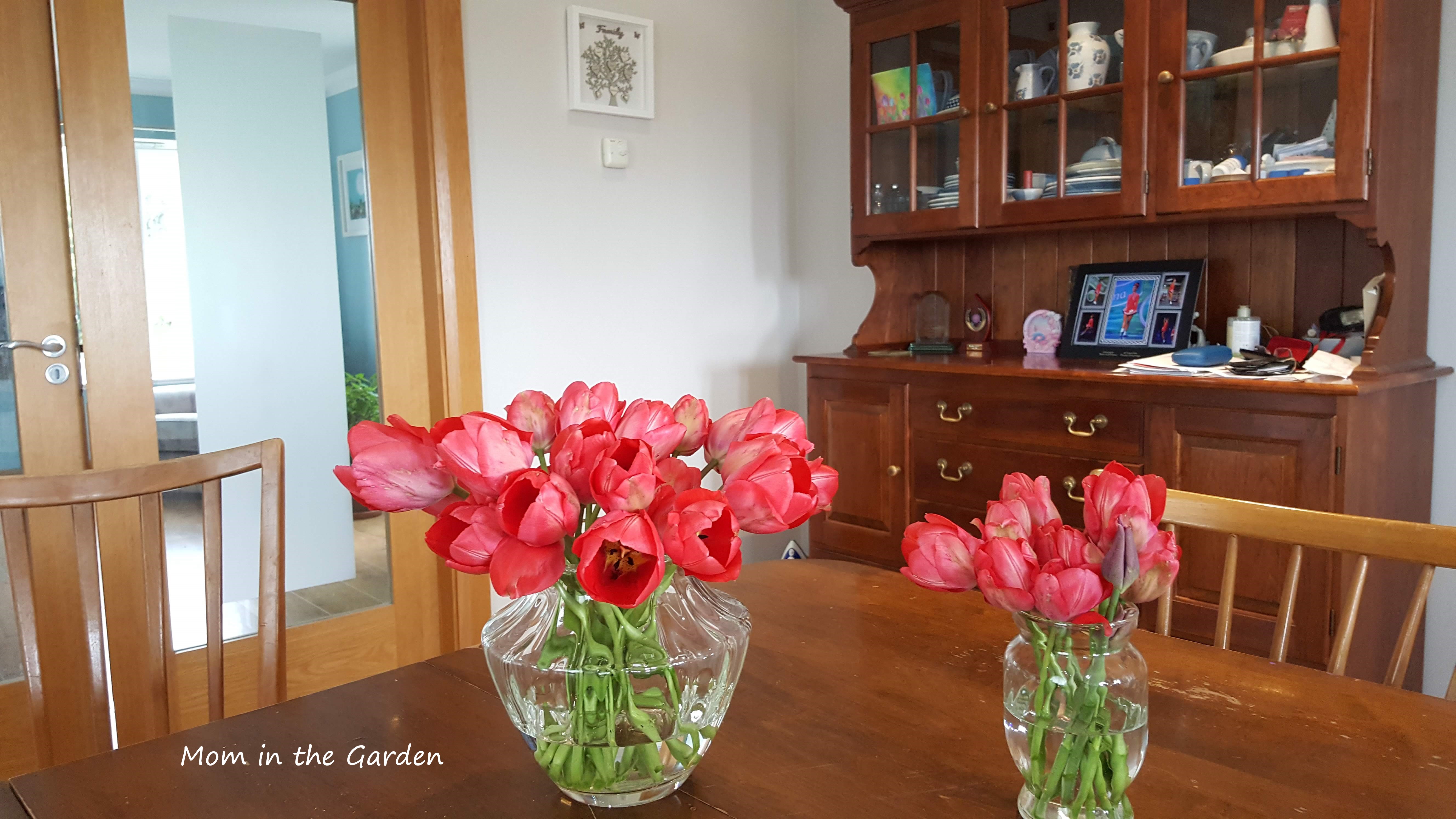
Tulip Mascotte in a vase
Tulip Lilac perfect in a vase

And now we turn to what they looked like on year two (this year) …

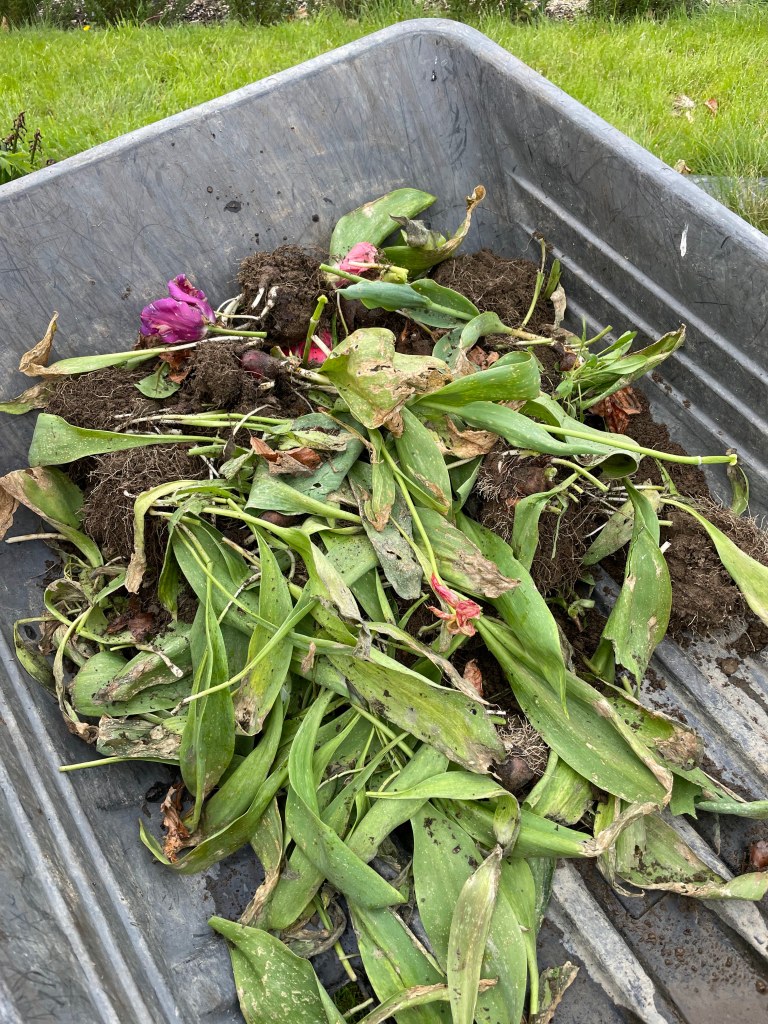
Tulips with tulip fire fungus.
Tulips with tulip fire fungus dug up for disposal.

It was pretty heart breaking to go from 120 beautiful tulips to this dreadful mess, and in just one year. But there’s no point in dwelling on it. That’s just the risk you take with gardening. I have some tulips in the garden that have returned for many years, as well as tulips that seem to live by the moto ‘one and done’!

It’ll take more than one or two cases of tulip fire to keep me from planting tulips in different places around the garden, though. They’re just too pretty. Nevertheless, I’m now on the lookout for an alternative to tulips for this spot in front of the playhouse.

I hope you never experience tulip fire, but if you do, you know what to do. 🙂

In Peace,
Dana

Not exactly ‘business as usual’

single anemone on ground

anemone ‘Mr. Fokker’

Hi there. I’ve been quiet here on the blog front. Honestly, I’m not sure what to say. In some cases, it is ‘business as usual’ and life is more or less ticking along. But in so many other cases, it is not ‘business as usual’ and lives are completely disrupted. There is a lot of stress, uncertainty and tremendous loss as a result of Covid-19. So I feel funny jumping on here and talking about my garden. But I also know that there are many good things that have happened during this situation and even because of this situation, which I hope you’ve also witnessed and experienced. And while life can be quite serious at the moment, I hope that a little deviation from that, with some pictures of flowers, can alleviate the situation, even if for a short time. Welcome to my sanctuary! 🙂

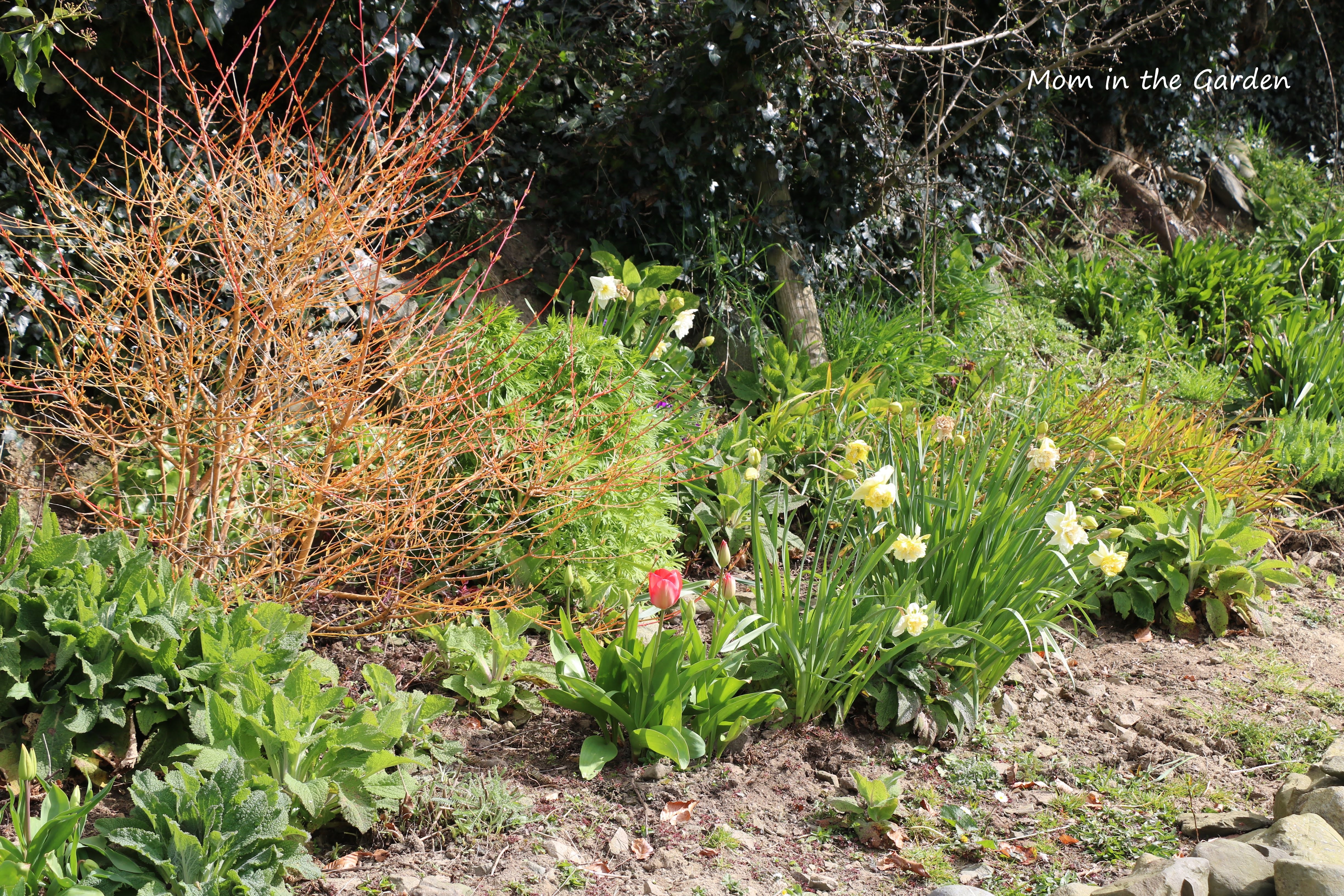
early spring ditch wall garden

signs of spring with daffodils and tulips coming into bloom

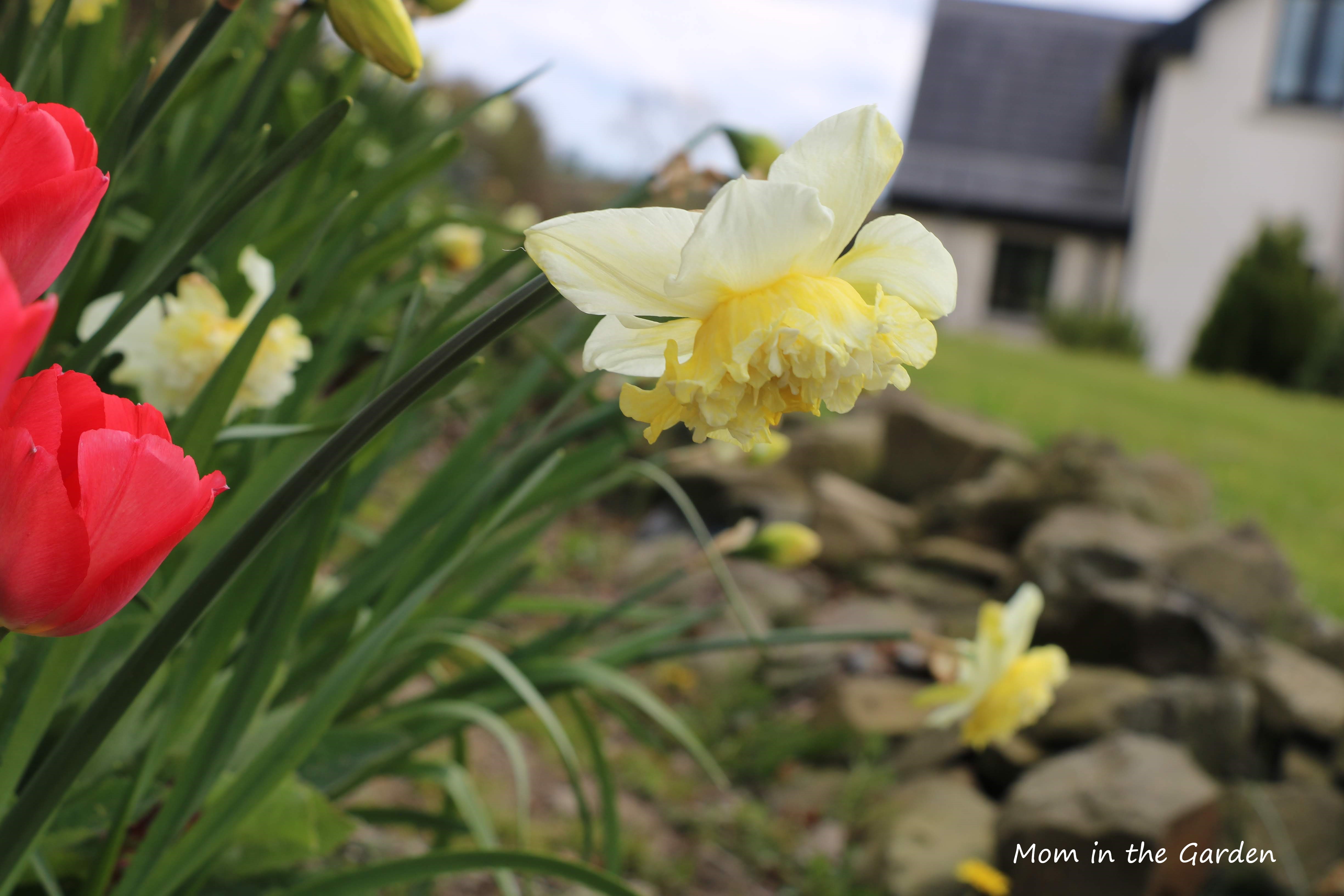
Narcissus Ice King Double Daffodil

Narcissus ‘Ice King’ (Double Daffodil)

ice king daffodils and red tulips

always searching for the perfect angle

There is always weeding to do in the garden. I’m not sure that anyone really likes weeding, but the place sure looks better after its done! Given that we can’t go anywhere, I’ve been able to spend more time on that task than I would usually. I’m slowly getting around the garden to each bed. It is a lot of work, and sometimes I really have to talk myself into it. But it is always worth doing, even if just a little bit at a time. It helps for me to see the next set of plants pushing up through the soil. The continuity of the garden with its flowers and trees is something very special to me. It brings hope for tomorrow.

lilac buds

the new buds on our lilac shrubs

Lilies in April

Lilies, which won’t bloom until July, have already pushed through the soil.

This next picture caught my attention. The tulip leaves, especially, are quite ragged looking, and I would have described them as having wind-burn (as we live in a very windy area). But I did a quick google search as I was putting this post together, only to discover that these tulips have something called ‘tulip fire’. So this is the last picture I have of them in the ground because I immediately went out and had them dug up (thank you, husband!). Tulip fire is a fungal disease of tulips caused by Botrytis tulipae, and the only treatment is removing the tulips – and not replanting with tulips in that bed for 3 years. A sad day for my Viburnum plant, as it will now look quite bare without the tulips. I’ve posted a few pictures below, about the tulip fire, just so you know what it looks like and to be aware.

Viburnum and tulips

Viburnum opulus ‘Roseum’ and Mystic van Eijk tulips with beech hedge still in winter mode

leaves with tulip fire fungus

Infected tulip leaves (tulip fire fungus)

Tulip fire cut tulips

a bouquet of ‘tulip fire’ infected Mystic van Eijk tulips 😦

Mystic van Eijk tulips

Mystic van Eijk tulips with ‘tulip fire’

Moving on to more healthy plants…

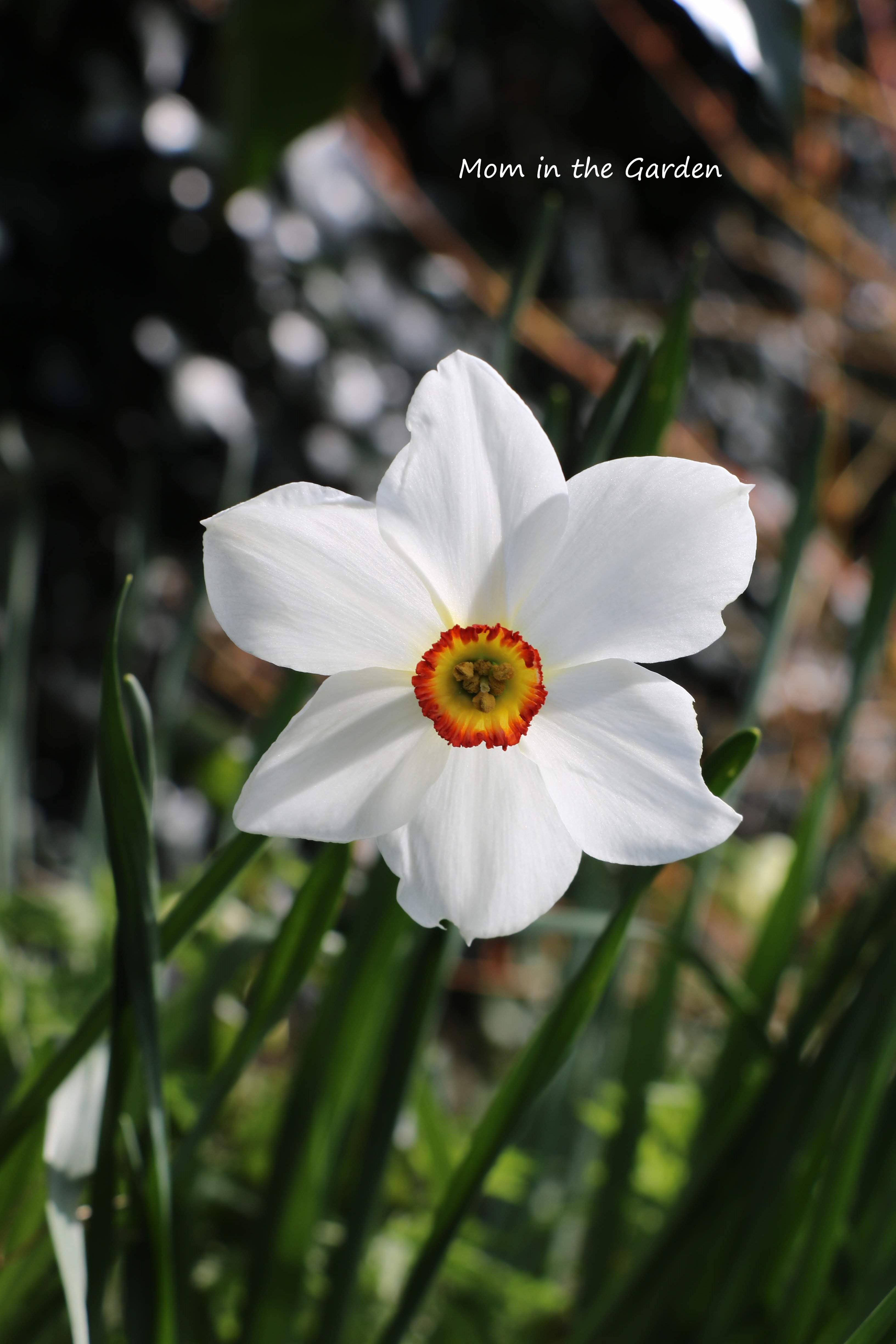
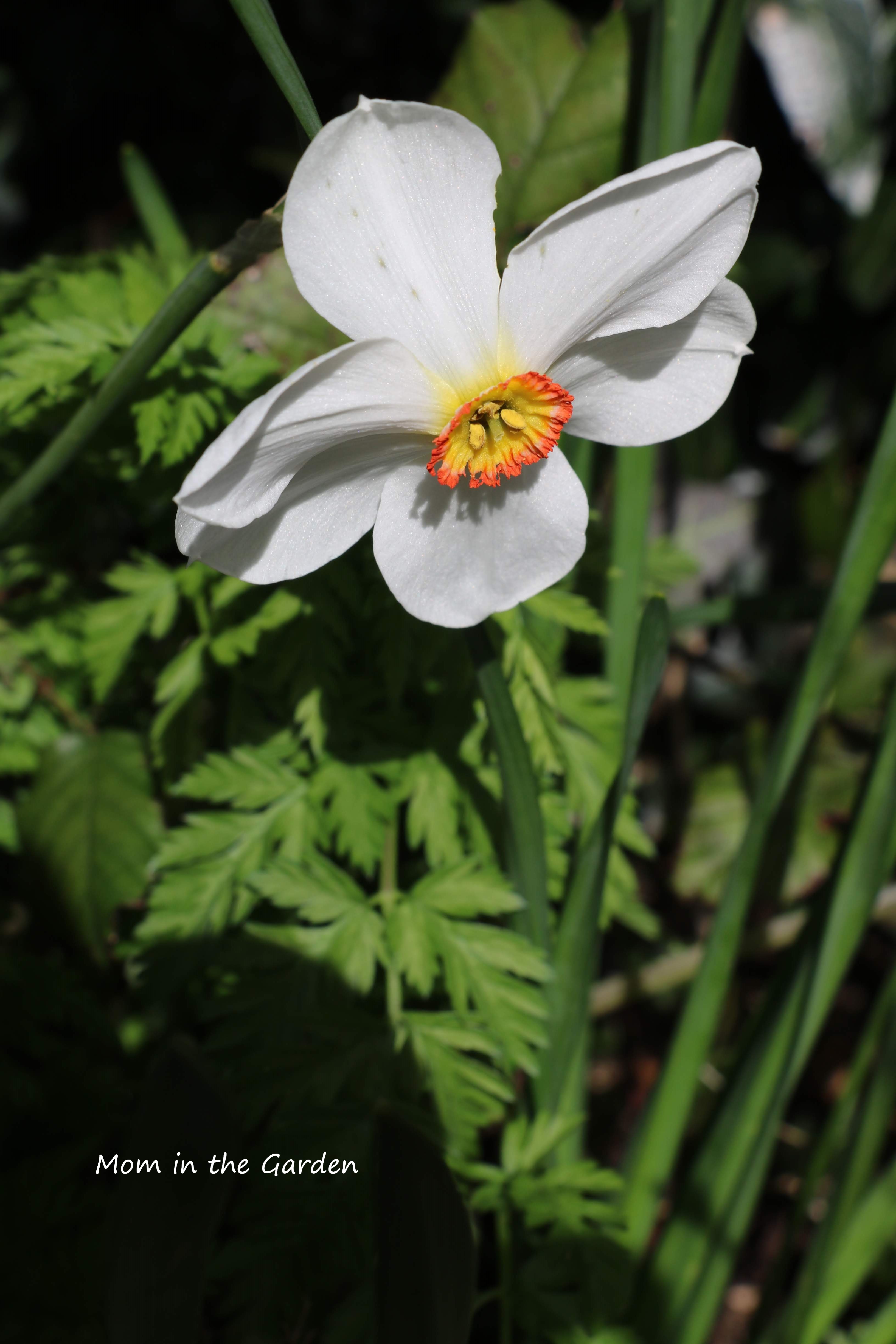
narcissus actea pheasants eye

narcissus actea ‘pheasants eye’

narcissus actea pheasants eye

narcissus actea ‘pheasants eye’

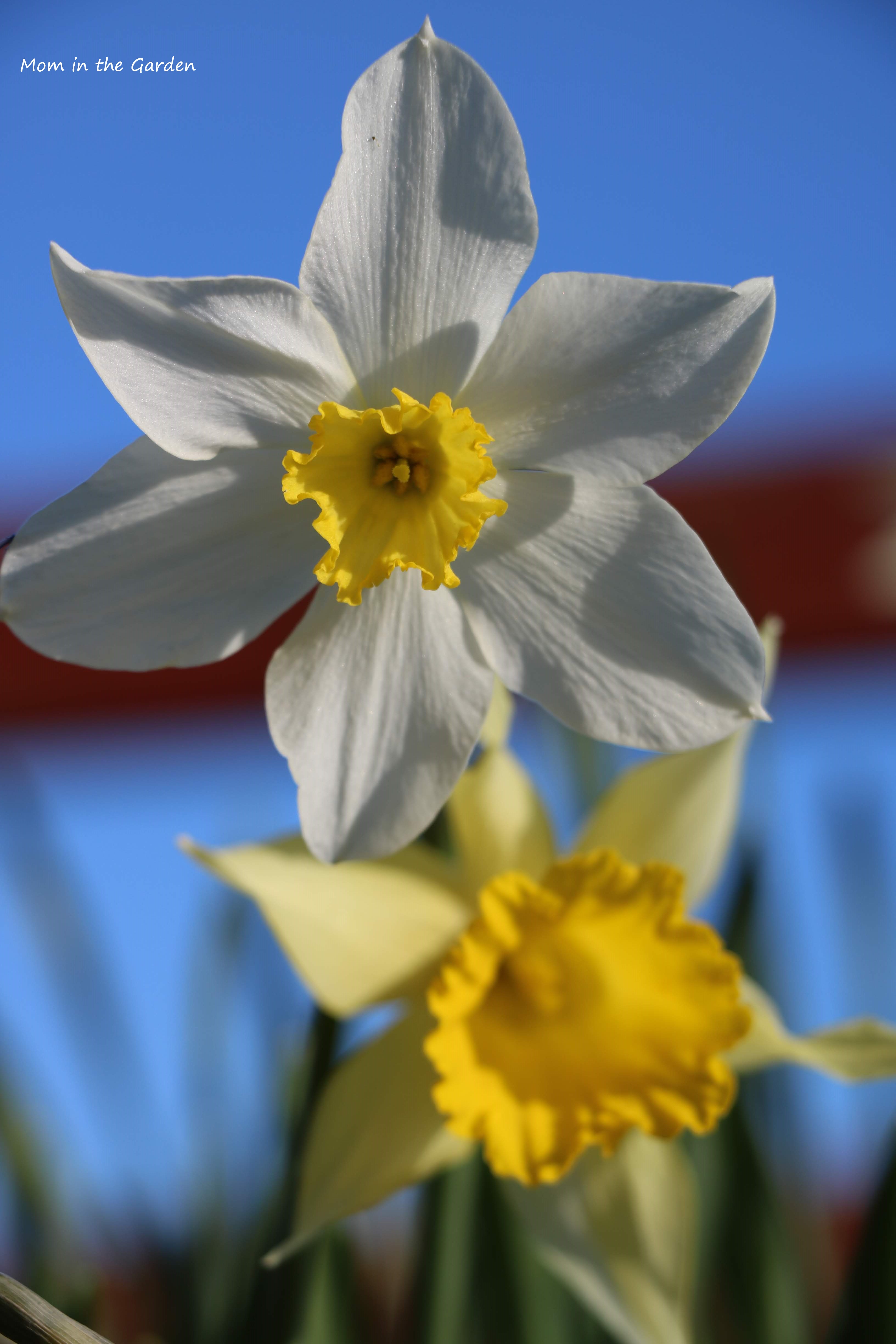
daffodil side profile

daffodil season

daffodils

Purple hyacinth

hyacinth and anemone

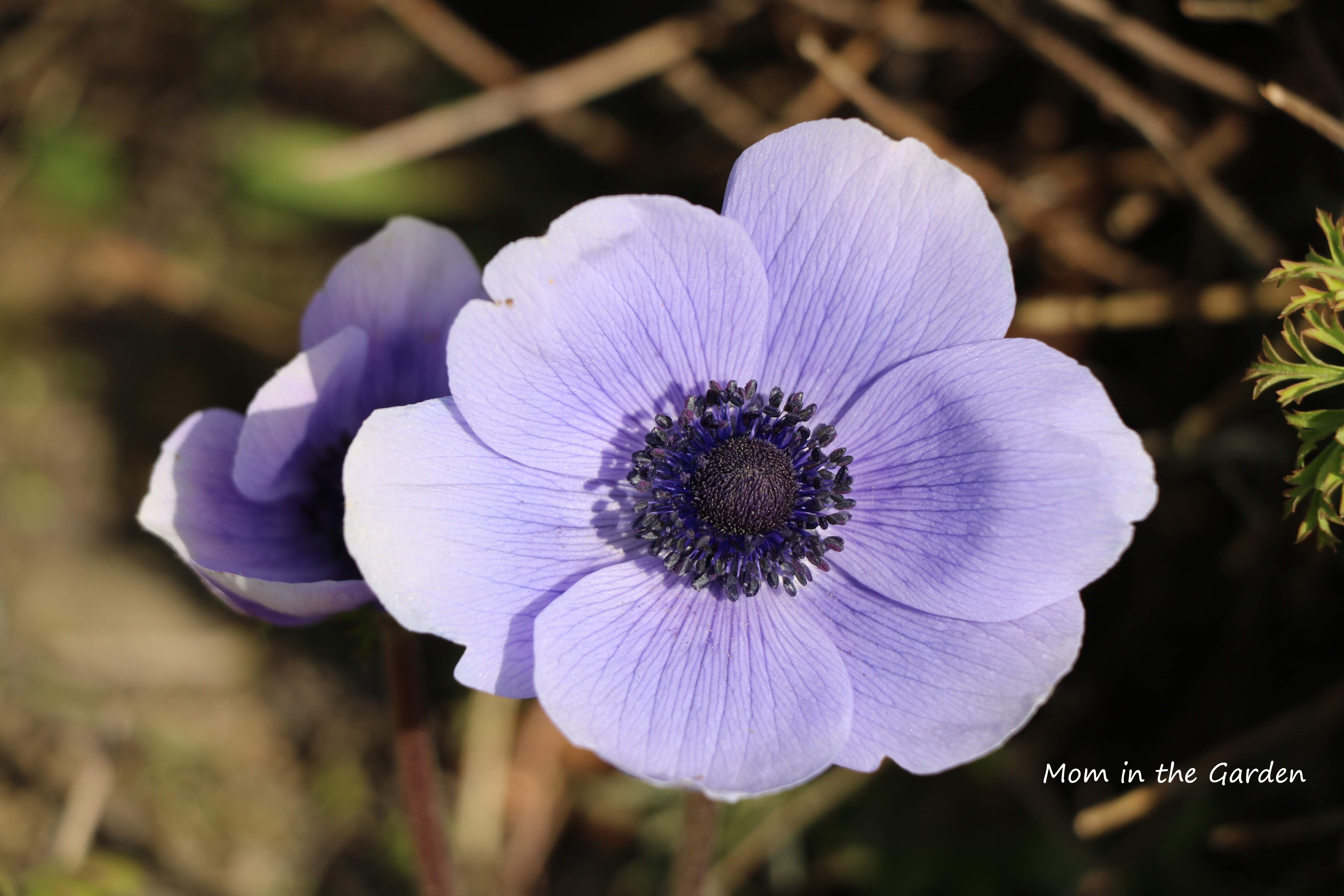
single mr fokker anemone

Mr. Fokker anemone

The daffodils are blooming, as are the hyacinth and anemone. The bright pink of the aubrieta can be seen from afar! While the hellebores are just finishing up their season, there are so many other plants now coming to life. I’m so thankful that I do get to spend time in the garden.

aubrieta April full bed

Aubrieta in full bloom

white hyacinth

white hyacinth and a white (spotted) hellebore

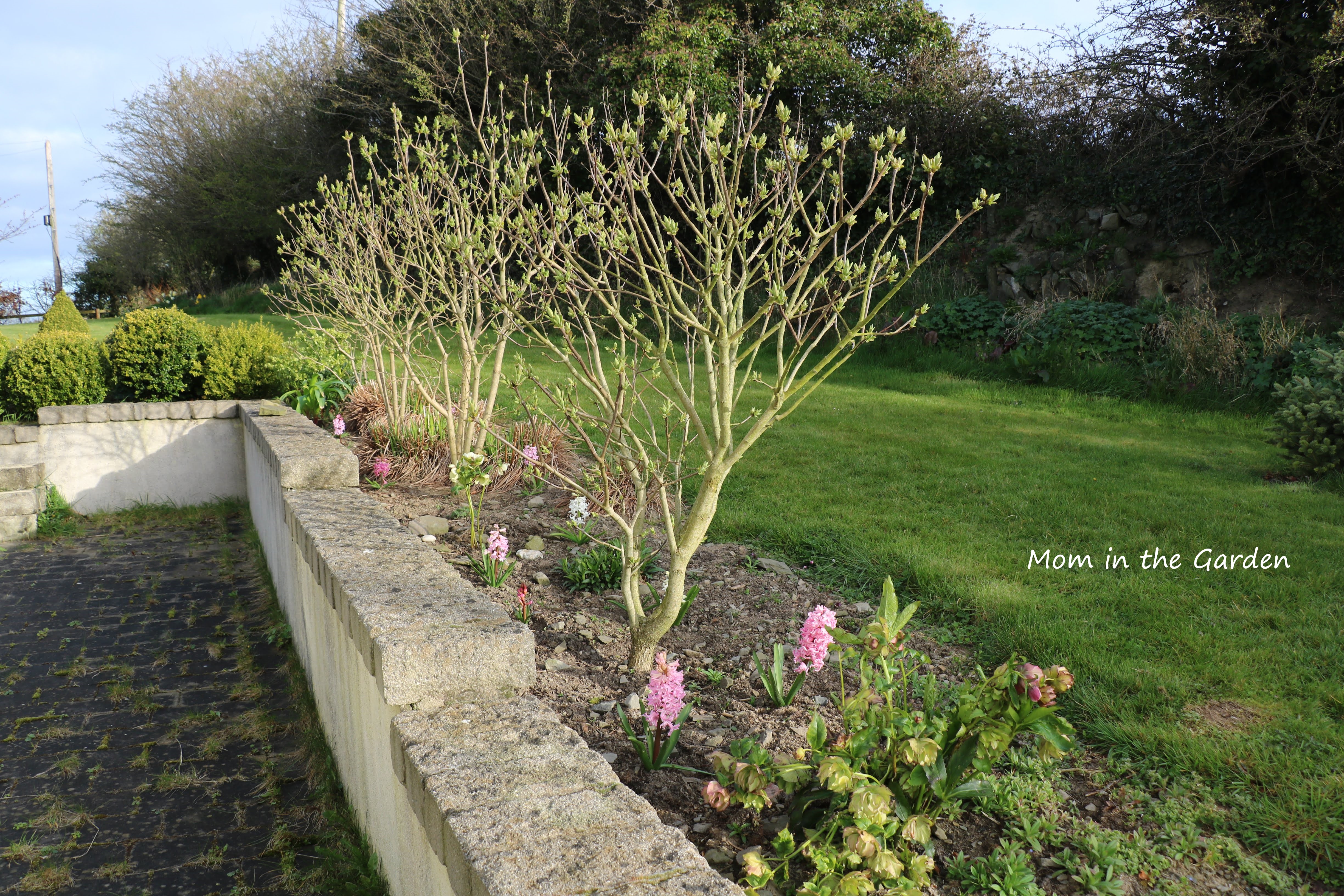
Spring show hyacinth hellebore lilacs with buds

A spring showing with lilacs coming into bud and hyacinth in bloom while hellebores are at the end of their season

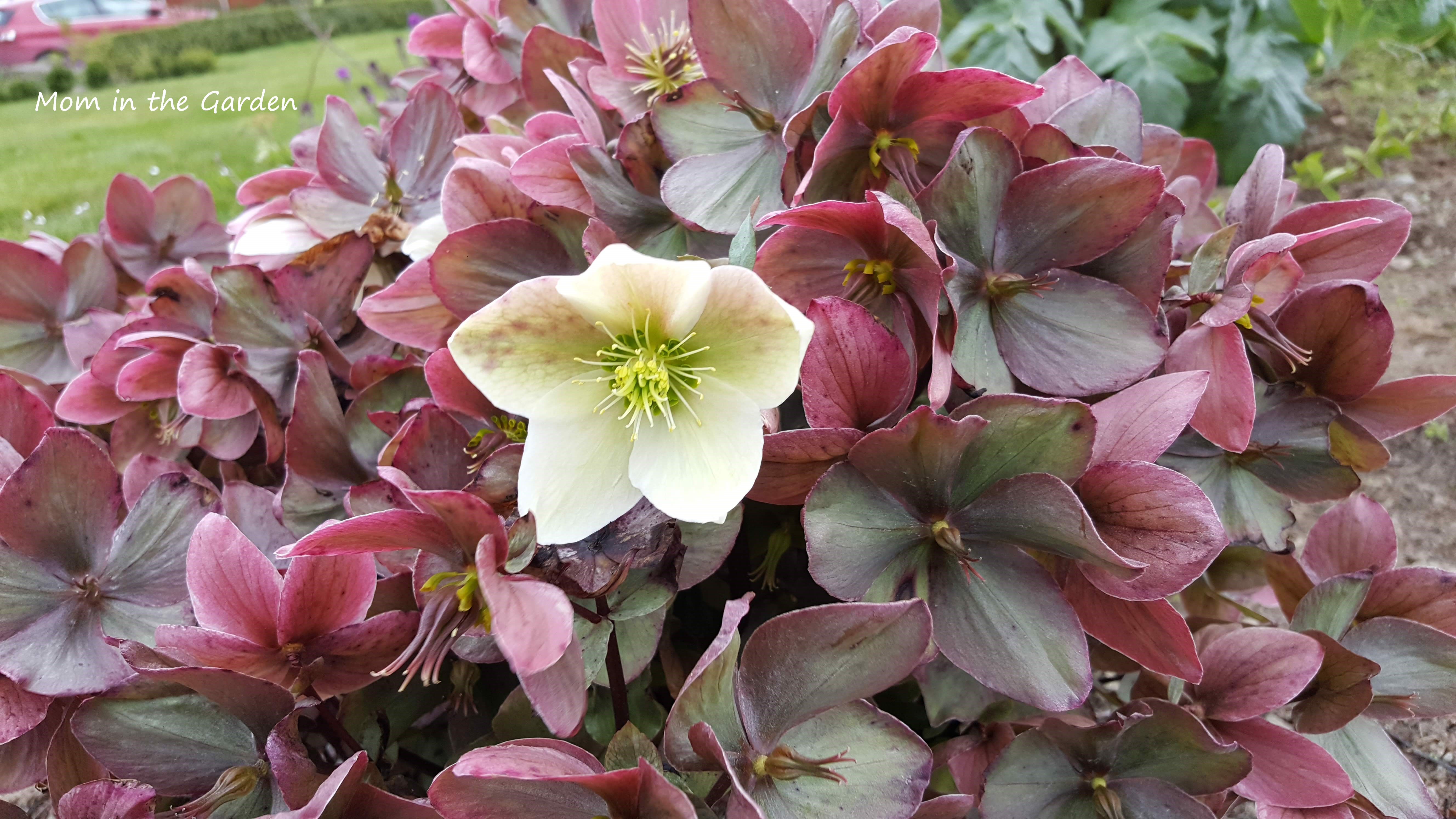
Single white flower Winter Sunshine hellebore

a single white flower of the Winter Sunshine hellebore, at the very end of its season

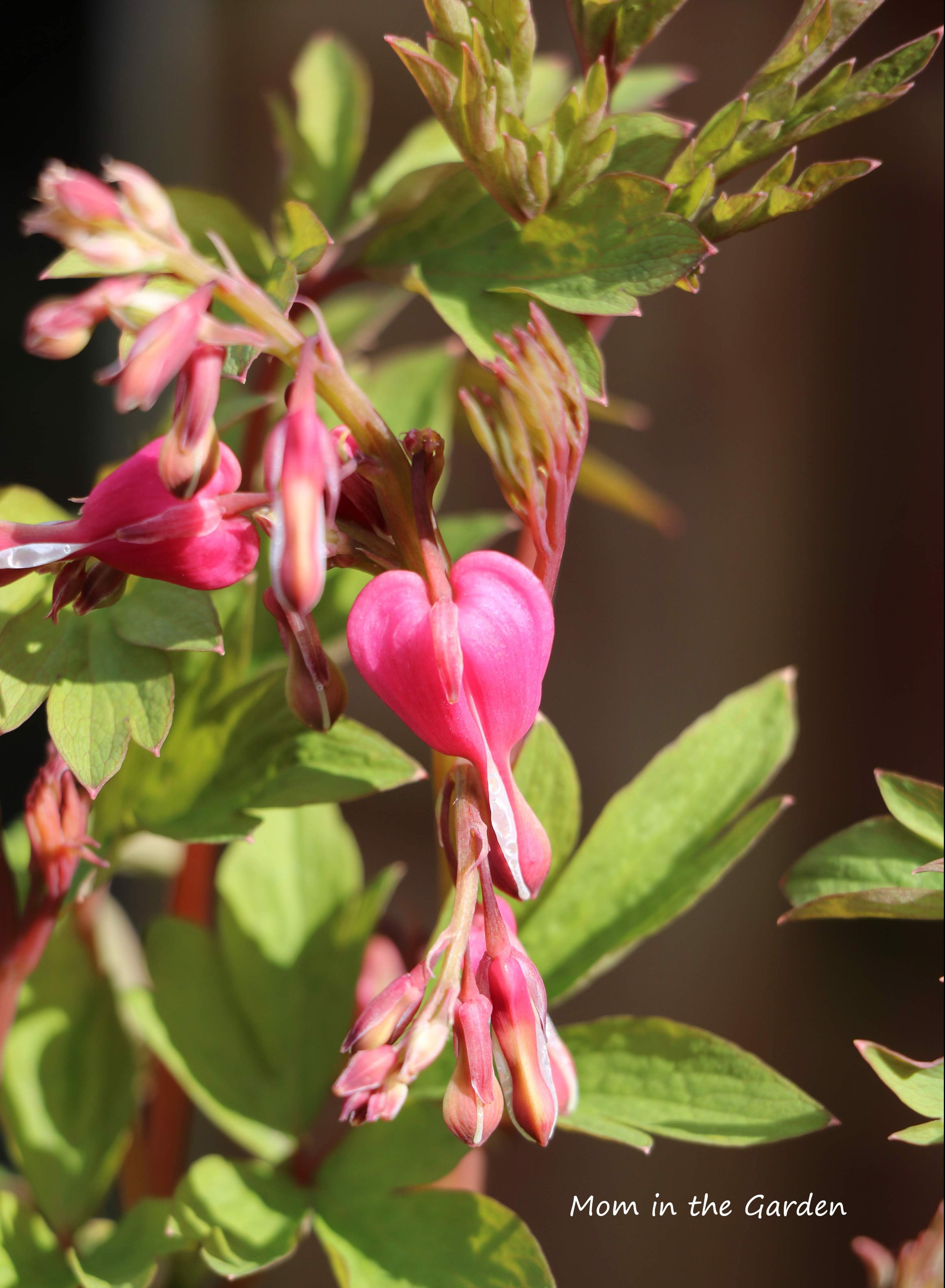
Bleeding Heart - Dicentra spectabilis

Bleeding Heart – Dicentra spectabilis with baby blooms!

I am mindful of all of those people who are suffering due to Covid-19. I keep those thoughts close to my heart, to keep everything in perspective. I also focus on the many blessings in our lives, right now. And I pray. I pray for everyone’s safety and well being, especially during these uncertain times.

Let me know how you are doing! I would love to hear from you!

In Peace,
Dana